By Interestana AI Editorial — AI-drafted, human-overseen. How we report
Norway Proposes Regulations for 'Pervert Glasses,' Considers Facial Recognition Ban
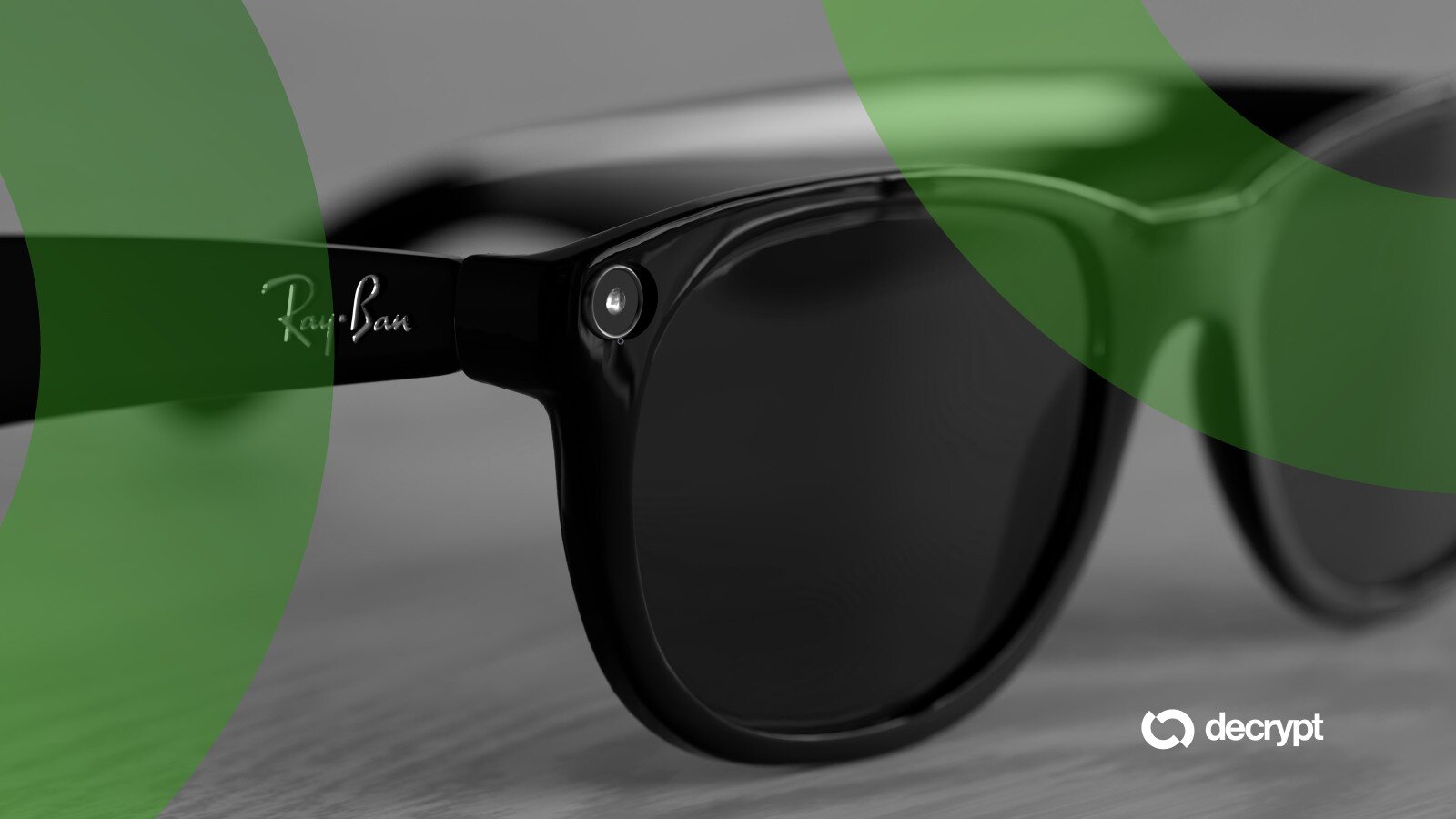
Norway is taking steps to regulate devices that have been dubbed 'pervert glasses,' a term used to describe augmented reality (AR) glasses capable of recording and potentially identifying individuals. The Norwegian Consumer Authority (Forbrukertilsynet) has urged retailers to cease selling these devices until legal clarity is established regarding their use and the privacy implications. This move signals a proactive approach by the Norwegian government to address the emerging challenges posed by advanced wearable technology and its potential for misuse.
The Consumer Authority's recommendation to halt sales is a precautionary measure aimed at preventing potential privacy violations and misuse of the technology. The devices in question, often AR glasses, are equipped with cameras and processors that can capture video and perform real-time analysis, including facial recognition. Concerns have been raised that such capabilities could be exploited for surveillance, harassment, or other privacy-infringing activities. The authority is seeking to ensure that consumer protection laws are adequate to cover these new technological advancements before they become widespread.
In parallel with the 'pervert glasses' initiative, Norway is also actively considering a broader ban on facial recognition technology. This potential ban would extend beyond wearable devices and could encompass various applications where facial recognition is employed, such as in public spaces or for identification purposes. The government's exploration of such a ban reflects a growing global debate about the ethical implications and societal impact of facial recognition systems, including issues of bias, accuracy, and the potential for mass surveillance. The Norwegian Data Protection Authority (Datatilsynet) has also been involved in discussions, highlighting the need for robust data protection measures.
The regulatory push in Norway underscores a critical juncture in the development and deployment of AI-powered technologies. As AR glasses and facial recognition become more sophisticated and accessible, governments worldwide are grappling with how to balance innovation with the fundamental rights to privacy and security. The Norwegian Consumer Authority's directive to retailers and the ongoing consideration of a facial recognition ban demonstrate a commitment to establishing clear legal frameworks that can guide the responsible use of these powerful tools. The outcome of these deliberations could set a precedent for how other nations approach the regulation of similar technologies, emphasizing the need for careful consideration of both the benefits and the risks associated with advanced AI applications.
Original source — read the full reporting at the publisher:
Read on DecryptGet the weekly AI digest
AI news + new model releases, weekly. Drafted by our agents, reviewed by humans.