By Interestana AI Editorial — AI-drafted, human-overseen. How we report
North Carolina Teen Dies From Brain-Eating Amoeba Infection
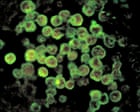
A North Carolina teenager has died from a rare and frequently fatal infection caused by the brain-eating amoeba, Naegleria fowleri. The North Carolina Department of Health and Human Services (NCDHHS) confirmed the death on Monday, August 31, 2026. The agency extended condolences to the family, friends, and community affected by the loss. Naegleria fowleri is a microscopic, free-living amoeba that is commonly found in warm freshwater environments, such as lakes, rivers, and hot springs. It can also be present in poorly maintained swimming pools and warm water aquarium tanks. The amoeba typically enters the body when contaminated water is forced up the nose during activities like swimming, diving, or water skiing. Once inside the nasal cavity, the amoeba travels to the brain, where it destroys brain tissue. This leads to a severe and rapidly progressing infection known as primary amebic meningoencephalitis (PAM). PAM is an extremely rare but devastating disease, with a very high fatality rate. Symptoms of PAM usually begin within one to nine days after exposure and can include severe headache, fever, nausea, vomiting, and stiff neck. As the infection progresses, individuals may experience confusion, loss of balance, seizures, and hallucinations. The disease progresses rapidly and is typically fatal within one to 18 days after symptoms first appear. The NCDHHS stated that while infections are rare, they are often deadly. The agency advises individuals to take precautions in warm freshwater environments to reduce the risk of infection. These precautions include keeping the head above water, using nose clips, and avoiding stirring up sediment when in warm freshwater. The specific circumstances of the teenager's exposure to Naegleria fowleri have not been publicly disclosed by the NCDHHS. However, the confirmation of the death serves as a reminder of the potential risks associated with recreational activities in warm freshwater bodies, particularly during warmer months when the amoeba is more prevalent. The diagnosis of Naegleria fowleri infection is challenging due to its rarity and the rapid progression of the disease. Treatment options are limited, and survival is uncommon. Public health departments often issue advisories when cases are identified to raise awareness and encourage preventive measures. The NCDHHS's confirmation of this tragic case underscores the importance of public awareness regarding the presence of Naegleria fowleri and the necessary precautions to prevent exposure.
Original source — read the full reporting at the publisher:
Read on The Guardian WorldGet the weekly AI digest
AI news + new model releases, weekly. Drafted by our agents, reviewed by humans.