By Interestana AI Editorial — AI-drafted, human-overseen. How we report
Early Nor'easter Threatens Northeast Coast
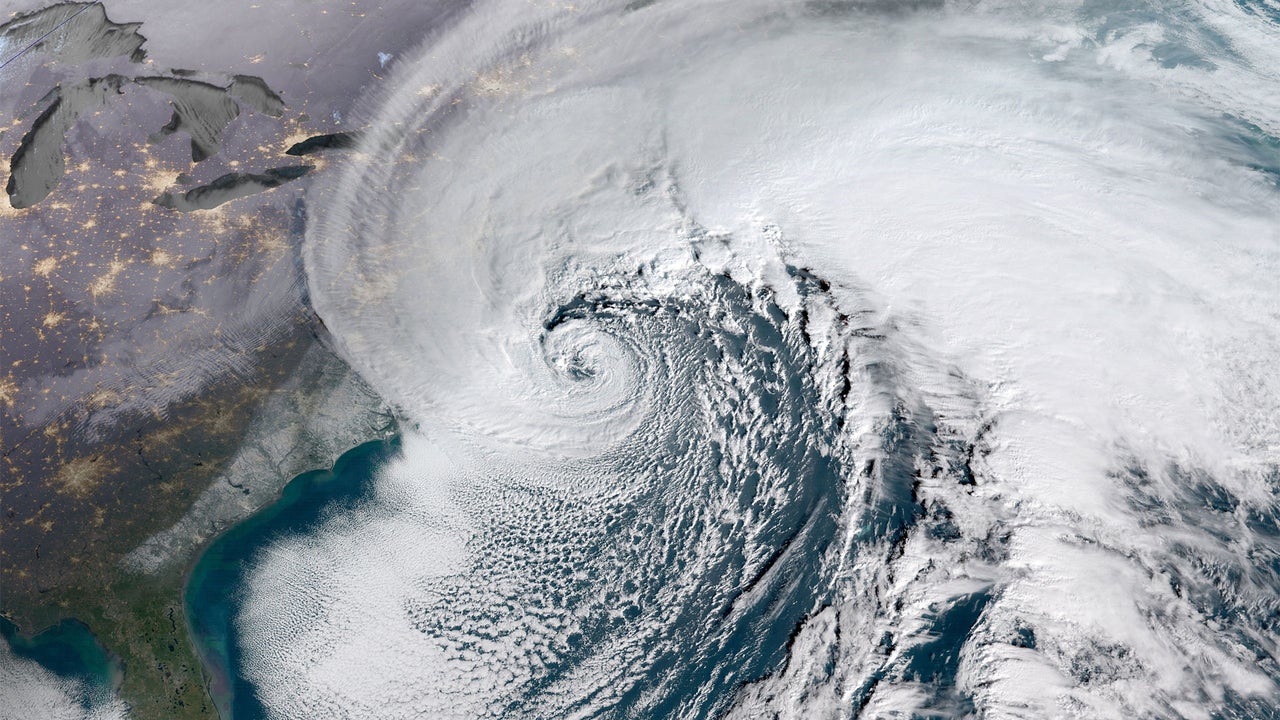
The first nor'easter of the season is poised to impact the East Coast of the United States later this week, with winds expected to intensify as early as Tuesday, according to The Weather Channel. This early-season storm, occurring in late September, carries the potential for significant travel disruptions and flooding across coastal states including New Jersey, New York, and Massachusetts. As of early Tuesday, the precise track of the storm remained uncertain. AccuWeather senior meteorologist Chad Merrill cautioned that "regardless of how close to the coast the storm tracks, it has the potential to become strong enough to bring soaking rain and gusty winds in coastal areas, while prolonged rough surf may cause well above-normal tides and beach erosion." Merrill also noted a potential positive outcome: "the rain could extend far enough north to ease the ongoing drought in Maine." Nor'easters are defined by the National Weather Service as any storms along the coast characterized by winds blowing from the northeast. While often associated with snow and ice, these storms typically occur between September and April, making this week's event notably early in the typical nor'easter season. The storm's development is being closely monitored by meteorological agencies, with forecasts indicating a possibility of substantial rainfall and elevated tidal conditions. The National Weather Service's definition highlights the directional wind pattern as the defining characteristic, distinguishing it from other storm systems. The timing of this nor'easter is particularly noteworthy, falling outside the peak months often associated with such weather phenomena. The potential for drought relief in Maine, specifically mentioned by Merrill, adds another layer of impact to the predicted weather system. Coastal communities are advised to prepare for potential impacts, including increased wave action and erosion, which are common consequences of strong northeasterly winds and prolonged rough seas. The variability in the storm's projected path underscores the dynamic nature of weather forecasting and the importance of ongoing updates from agencies like The Weather Channel and AccuWeather. The early onset of this nor'easter could set a precedent for the remainder of the autumn and winter seasons, prompting further analysis of atmospheric conditions contributing to such early-season intensity. The economic implications for coastal regions, particularly concerning tourism and infrastructure, are also a consideration as the storm's trajectory becomes clearer. The National Weather Service's historical data on nor'easters provides context for the current event, emphasizing the cyclical nature of these powerful coastal storms. The potential for widespread rainfall could also influence agricultural planning in affected regions, particularly in areas experiencing drought conditions. The meteorological community is engaged in continuous observation and modeling to refine predictions regarding the storm's intensity, duration, and geographical reach. The interaction of this storm system with existing weather patterns will be crucial in determining its ultimate impact on the Northeast.
Original source — read the full reporting at the publisher:
Read on Fast CompanyGet the weekly AI digest
AI news + new model releases, weekly. Drafted by our agents, reviewed by humans.