By Interestana AI Editorial — AI-drafted, human-overseen. How we report
Nokia's iPhone Battle Hindered by 48-Hour Software Delays
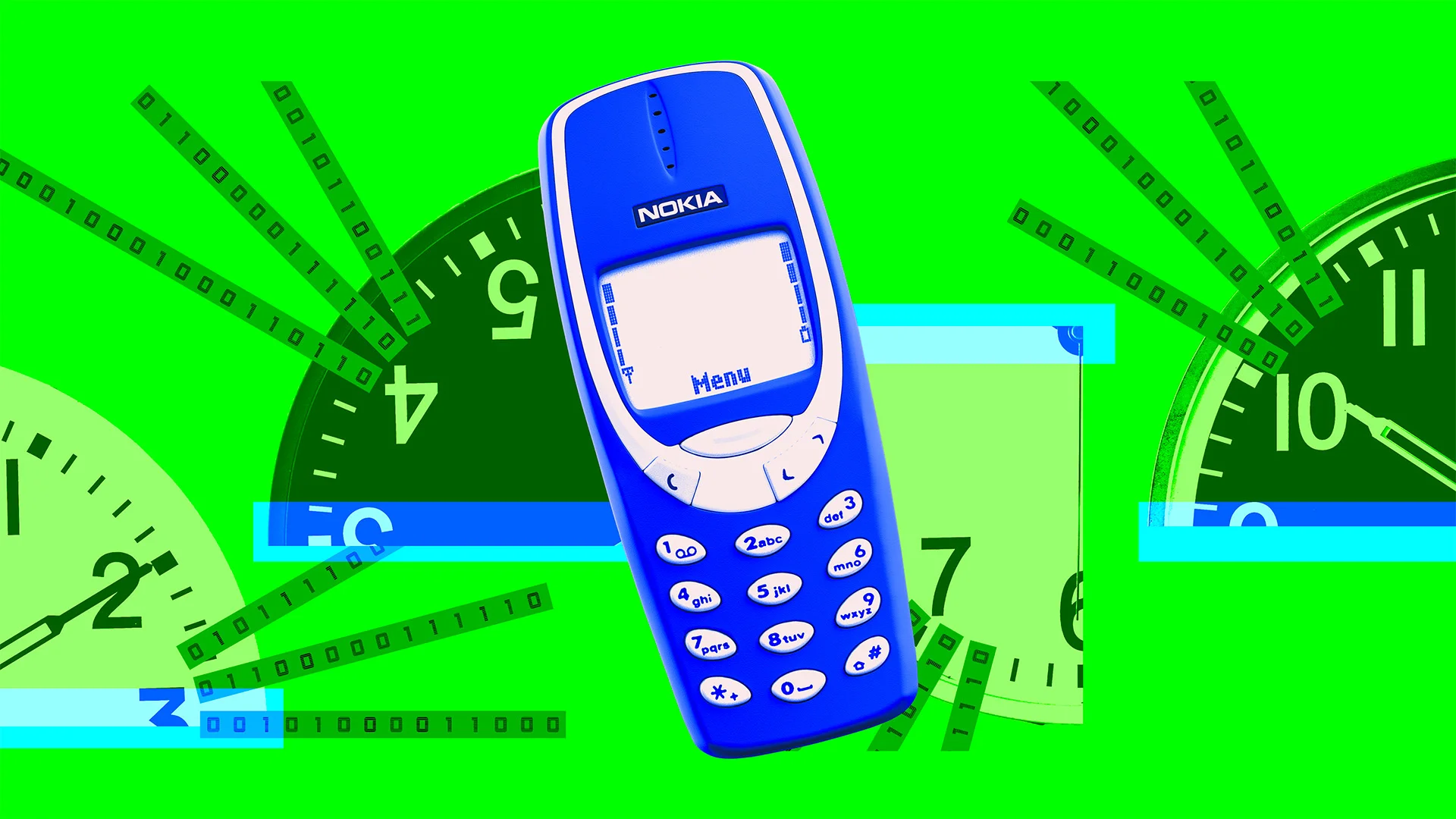
Nokia possessed substantial financial resources, a skilled workforce, and a clear imperative to challenge Apple's iPhone, yet ultimately failed to do so. A significant, often overlooked, impediment was the protracted 48-hour waiting period required for software updates to be deployed and tested. This lengthy cycle meant that developers could not iterate quickly on new features or fix bugs efficiently, a stark contrast to the rapid development cycles seen in today's technology landscape. The company's internal processes, particularly in software development and deployment, created a bottleneck that stifled innovation and responsiveness.
This historical challenge at Nokia serves as a potent case study for modern businesses, especially those integrating artificial intelligence. While AI tools promise to accelerate processes and enhance productivity, their effectiveness is contingent upon underlying organizational structures and workflows. If a company's fundamental operational procedures, such as software development, testing, and deployment, are inherently slow, AI integration alone will not fundamentally alter the speed at which the business can operate or innovate. The Nokia experience highlights that technological advancements must be coupled with a re-evaluation of work methodologies to realize their full potential.
Nokia's strategic missteps in the smartphone era are well-documented, including underestimating the shift towards touchscreens and app ecosystems. However, the 48-hour delay for software deployment represents a more granular, operational failure that exacerbated these strategic shortcomings. In an industry where speed to market and continuous improvement are paramount, such a protracted development cycle rendered Nokia unable to keep pace with agile competitors like Apple. The inability to rapidly iterate on software meant that Nokia's devices were often behind in features and performance, contributing to their eventual decline in the smartphone market.
The lesson from Nokia's struggle is that organizational inertia and outdated processes can negate the benefits of investment in talent and technology. For contemporary companies looking to leverage AI, the Nokia narrative underscores the necessity of streamlining workflows, reducing internal friction, and fostering a culture of rapid iteration. Without addressing these foundational elements, the promise of AI-driven speed and efficiency may remain unfulfilled, mirroring Nokia's own experience of having the resources but lacking the agile operational framework to succeed against a faster-moving competitor.
Original source — read the full reporting at the publisher:
Read on Inc.Get the weekly AI digest
AI news + new model releases, weekly. Drafted by our agents, reviewed by humans.