By Interestana AI Editorial — AI-drafted, human-overseen. How we report
UK Plastic Waste Burdened Turkish Farmers
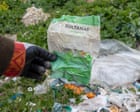
British plastic waste exports are creating significant environmental burdens for farmers in Adana, southern Turkey, with local smallholders and poor districts bearing the brunt of debris, microplastics, and toxic smoke. Between May 2021 and July 2024, 13 British companies dispatched 545 shipments of household and supermarket plastic waste, amounting to 52,000 tonnes, to the Kemal Deniz recycling zone. This facility is situated less than a mile from the aubergine fields of farmers like Ayhan, who report plastic debris clinging to waterways near his crops. Ayhan also expressed concerns about a nearby textile plant contributing to water acidity, stating, “The plastics are all there, by the bank, and the fumes come this way.”
Data analysed for The Guardian by the Environmental Investigation Agency (EIA), an international non-governmental organization, revealed these export figures. The situation highlights a broader trend, as Britain exported a total of 139,000 tonnes of rubbish to Turkey in the previous year alone. This influx of waste raises serious questions about the effectiveness and ethical implications of the UK’s waste management policies, particularly concerning its reliance on exporting waste to other countries. The EIA's analysis suggests that the UK is effectively offloading its plastic pollution problem onto developing nations, where regulatory oversight and waste management infrastructure may be less robust.
The contamination extends beyond visible debris. Farmers are increasingly concerned about the presence of microplastics in their soil and water, which can enter the food chain and pose long-term health risks to both consumers and agricultural workers. The toxic smoke emanating from the recycling zones further exacerbates the problem, impacting air quality and potentially leading to respiratory issues. Despite the visible and documented environmental degradation, farmers like Ayhan feel overlooked, with a sentiment of "Nobody cares" prevailing among those directly affected by the waste imports. This situation underscores a form of "waste colonialism," where wealthier nations export their environmental problems to countries with fewer resources to manage them, leading to significant ecological and social consequences.
The UK government has previously stated its commitment to reducing plastic waste and improving recycling rates domestically. However, the continued high volume of exports to countries like Turkey suggests a gap between stated intentions and actual practice. Environmental groups are calling for greater transparency and accountability in the waste export industry, urging for stricter regulations and investment in domestic recycling and waste reduction initiatives. The long-term health and environmental impacts on Turkish communities, as well as the integrity of their agricultural products, remain a significant concern that requires urgent attention and action from both the UK and Turkish authorities.
Original source — read the full reporting at the publisher:
Read on The Guardian EnvironmentGet the weekly AI digest
AI news + new model releases, weekly. Drafted by our agents, reviewed by humans.