By Interestana AI Editorial — AI-drafted, human-overseen. How we report
Coroner Rules Nobby Stiles Died From Football Heading Brain Condition
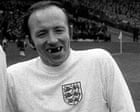
England World Cup winner Nobby Stiles died from a brain condition directly linked to repeatedly heading a football, a coroner has ruled. Stiles, who passed away in 2020, was a key figure in England's 1966 World Cup victory, often described as the "heart and soul" of that team by teammate Geoff Hurst. His death was not initially reported to the coroner's office by authorities, leading to a delayed official determination of the cause.
The ruling confirms suspicions that the repetitive impact of heading a football throughout a professional career can lead to severe neurological conditions. This finding aligns with growing research and concern within the sport regarding the long-term health consequences for players, particularly those in positions that involve frequent heading of the ball. The specific condition Stiles suffered from, while not detailed in the provided text, is understood to be a degenerative brain disease.
Stiles's career spanned a significant era in English football, playing for Manchester United and representing England on the international stage. His tenacious midfield play and leadership were instrumental in England's historic 1966 triumph. The confirmation of the link between his playing style and his ultimate cause of death provides a definitive, albeit tragic, conclusion to discussions about the physical toll of professional football on its athletes. The ruling is expected to further fuel discussions about player safety and potential changes to training and playing regulations in football.
Original source — read the full reporting at the publisher:
Read on The Guardian WorldGet the weekly AI digest
AI news + new model releases, weekly. Drafted by our agents, reviewed by humans.