By Interestana AI Editorial — AI-drafted, human-overseen. How we report
Yuan Won't Challenge Dollar, But May Overtake Yen, Pound
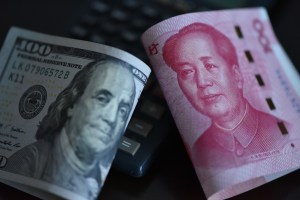
Standard Chartered China CEO Jean Lu stated on Wednesday that the Chinese yuan (RMB) will not challenge the U.S. dollar's dominance in global reserve holdings during her career, despite Beijing's efforts to promote its international use. Speaking at a media roundtable in Singapore, Lu indicated that while the yuan is unlikely to ascend to the top reserve currency position, it may pose a competitive threat to other second-tier currencies. "Compared to the yen or pound, the RMB may have a chance," she suggested, implying a potential shift in the hierarchy of global currencies beyond the U.S. dollar. Beijing has outlined strategies in its latest five-year plan, released in March, to increase the yuan's international relevance. These strategies include promoting the use of Panda bonds, which are RMB-denominated debt issued in mainland China, and Dim Sum bonds, issued in offshore markets. These initiatives aim to facilitate greater cross-border use of the Chinese currency. The global financial landscape is seeing a re-evaluation of the U.S. dollar's importance, partly driven by concerns over the growing U.S. government debt and Washington's utilization of the dollar as a tool for imposing sanctions. This has led some countries and investors to explore alternative reserve currencies such as the Swiss franc and the euro, or to diversify into assets like gold. However, the U.S. dollar's position remains strong, accounting for 57% of global foreign exchange reserves in the first quarter of 2026, according to the International Monetary Fund (IMF). This represented a one percentage point increase from the preceding quarter, largely attributed to the dollar's modest appreciation against other currencies. In stark contrast, the yuan constituted only 2% of global reserves during the same period, a slight increase from 1.95% in the prior quarter. Lu identified "limited liquidity in offshore markets" as a significant impediment to the yuan's broader international adoption. Chinese capital controls further restrict the free flow of the yuan into global financial systems. She noted that the total offshore yuan market is less than 2 trillion yuan, with nearly half of this liquidity concentrated in Hong Kong. The People's Bank of China, the central bank of China, is actively working to manage and expand the yuan's international presence, but structural factors continue to influence its global standing.
Original source — read the full reporting at the publisher:
Read on FortuneGet the weekly AI digest
AI news + new model releases, weekly. Drafted by our agents, reviewed by humans.