By Interestana AI Editorial — AI-drafted, human-overseen. How we report
Trump to Announce Medicaid Drug Pricing Model
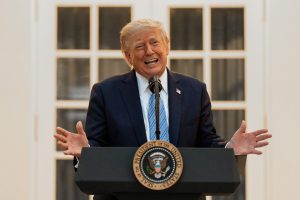
President Donald Trump is scheduled to announce on Friday that all 50 U.S. states will participate in a new program designed to implement "most favored nation" pricing for certain drugs within the Medicaid program. This initiative aims to reduce the net price of selected prescription drugs by aligning them with prices paid in several other developed countries. The Trump administration projects that this plan, officially named the Medicaid “GENEROUS” model, will result in billions of dollars in savings on prescription drug expenditures for Medicaid.
However, experts express uncertainty regarding the actual savings, citing a lack of transparency concerning the specific terms of the deals negotiated with pharmaceutical companies. The announcement arrives at a critical juncture, with cost-of-living issues being a primary concern for voters in the lead-up to the midterm elections in November. President Trump has previously engaged with pharmaceutical companies to negotiate lower drug prices in the U.S., aiming to prevent costs from significantly exceeding those in other affluent nations. This effort follows an executive order signed last year instituting a "Most Favored Nations" policy, which commits the U.S. to paying no more for medications than the lowest price paid by any other country globally.
The White House estimated in May that these negotiated deals could yield substantial savings, projecting up to $529 billion over the next decade by reducing U.S. prescription drug prices to international levels. Medicaid, a joint state and federal program providing health coverage to low-income individuals, currently involves nominal co-payments for prescriptions. While lower drug prices would directly benefit state budgets that contribute to funding these programs, the precise financial impact remains subject to verification. The limited public disclosure of the agreements between the Trump administration and participating pharmaceutical firms makes independent assessment of the projected savings challenging.
Kathy Hempstead, a senior policy advisor at the Robert Wood Johnson Foundation, has indicated to The Associated Press that considerable pressure exists for the administration to provide more detailed data to substantiate its cost-saving claims. The lack of granular information about the negotiated prices and the specific drugs included in the "GENEROUS" model makes it difficult for external analysts and the public to ascertain the true extent of the anticipated savings and the methodology behind them. The initiative's success hinges on the specifics of these confidential agreements and their long-term implications for both government spending and pharmaceutical market dynamics.
Original source — read the full reporting at the publisher:
Read on FortuneGet the weekly AI digest
AI news + new model releases, weekly. Drafted by our agents, reviewed by humans.