By Interestana AI Editorial — AI-drafted, human-overseen. How we report
Andy Burnham Rules Out General Election Before 2029
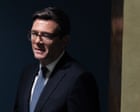
Prime Minister Andy Burnham announced on Friday that he will not call a general election before 2029, effectively ending speculation that a recent revival in Labour's poll numbers might prompt an early contest. Burnham made these remarks during a series of broadcast interviews with regional media outlets, addressing persistent questions about the timing of the next general election. The Prime Minister's definitive statement aims to provide clarity and stability regarding the electoral timeline, countering the narrative that political expediency might lead to a snap election. This declaration comes at a time when political parties are often assessing electoral advantages, and the Labour party's improved standing in opinion polls had fueled discussions about potential strategic timing for a general election. Burnham's commitment to the 2029 timeframe suggests a focus on governing for the full parliamentary term, rather than seeking an immediate electoral mandate. The decision to rule out an early election before 2029 indicates a strategic approach to governance and electoral planning, prioritizing long-term policy implementation and stability over short-term electoral gains. This announcement is significant as it sets a clear expectation for the political landscape, influencing the strategies of all parties involved in the upcoming electoral cycle. The Prime Minister's direct engagement with regional media underscores an effort to communicate directly with the electorate and address concerns about political certainty. By setting a firm date, Burnham seeks to anchor political discourse on governance and policy rather than on the perpetual speculation of election timing. This move is interpreted as a signal of confidence in his government's ability to serve the full term and deliver on its agenda. The political implications of this statement are far-reaching, as it allows other parties to plan their campaigns and strategies with a defined electoral horizon. The absence of an imminent election also provides a more stable environment for economic and social policy development, as the government can focus on legislative priorities without the immediate pressure of campaigning. The Prime Minister's clear articulation of his intentions removes a significant element of uncertainty that often pervades the political atmosphere when election timing is ambiguous. This clarity is expected to be welcomed by businesses and the public alike, who benefit from a predictable political environment. The commitment to the 2029 date signifies a long-term vision for the country's governance and development, moving the focus from immediate electoral calculations to sustained policy execution. The regional media interviews provided a platform for Burnham to directly address the public, reinforcing his commitment to transparency and open communication regarding significant political decisions. This approach aims to build trust and manage public expectations effectively. The decision to defer a general election until 2029 is a strategic one, likely based on a comprehensive assessment of the political and economic climate, and a belief that the government can achieve more by serving its full term. The Prime Minister's firm stance on this matter is a key development in the current political narrative, shaping the expectations for the coming years.
Original source — read the full reporting at the publisher:
Read on The Guardian WorldGet the weekly AI digest
AI news + new model releases, weekly. Drafted by our agents, reviewed by humans.