By Interestana AI Editorial — AI-drafted, human-overseen. How we report
Spanish Wartime Recipes Chronicle Post-Civil War Scarcity
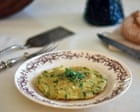
Chef and food writer Berta Álvarez Acal has compiled a collection of recipes that illustrate the resourcefulness and culinary innovation employed in Spain during the years of severe food scarcity immediately following the Spanish Civil War, which concluded in 1939. The book, titled "Recetas de Guerra" (Wartime Recipes), delves into how individuals managed to create meals with extremely limited ingredients, a stark contrast to the relative abundance often associated with traditional Spanish cuisine.
One of the most iconic Spanish dishes, the tortilla de patatas, typically requires only eggs, potatoes, and salt. However, "Recetas de Guerra" addresses the challenge of preparing such a dish when even these fundamental ingredients were unavailable. The book highlights the ingenuity required to substitute or omit key components, demonstrating a reliance on imagination and available, often unconventional, foodstuffs. This period, often referred to as the "years of hunger," saw widespread malnutrition and a desperate need for sustenance, pushing people to explore every possible food source.
The compilation serves as a historical document, offering a glimpse into the daily lives and struggles of Spaniards during a tumultuous post-war era. It moves beyond mere sustenance, exploring how food preparation became an act of resilience and cultural preservation. The recipes within "Recetas de Guerra" are not just about what was eaten, but how it was made under duress, reflecting the social and economic conditions of the time. The book aims to recreate these dishes, providing readers with a tangible connection to this challenging chapter in Spanish history.
Álvarez Acal's work is significant because it documents a period often overlooked in culinary history, focusing on survival and adaptation rather than gastronomic refinement. The book's premise is to showcase how, even in the absence of staples like eggs and potatoes, Spanish cooks utilized a "lot of imagination" to feed their families. This approach underscores the broader theme of human adaptability in the face of extreme adversity, using food as a central narrative thread. The publication offers a unique perspective on Spanish history through the lens of its wartime kitchens, emphasizing the creativity born out of necessity.
Original source — read the full reporting at the publisher:
Read on The Guardian WorldGet the weekly AI digest
AI news + new model releases, weekly. Drafted by our agents, reviewed by humans.