By Interestana AI Editorial — AI-drafted, human-overseen. How we report
Nissan EV Uses Chinese Battery Tech, Not Nissan Brand
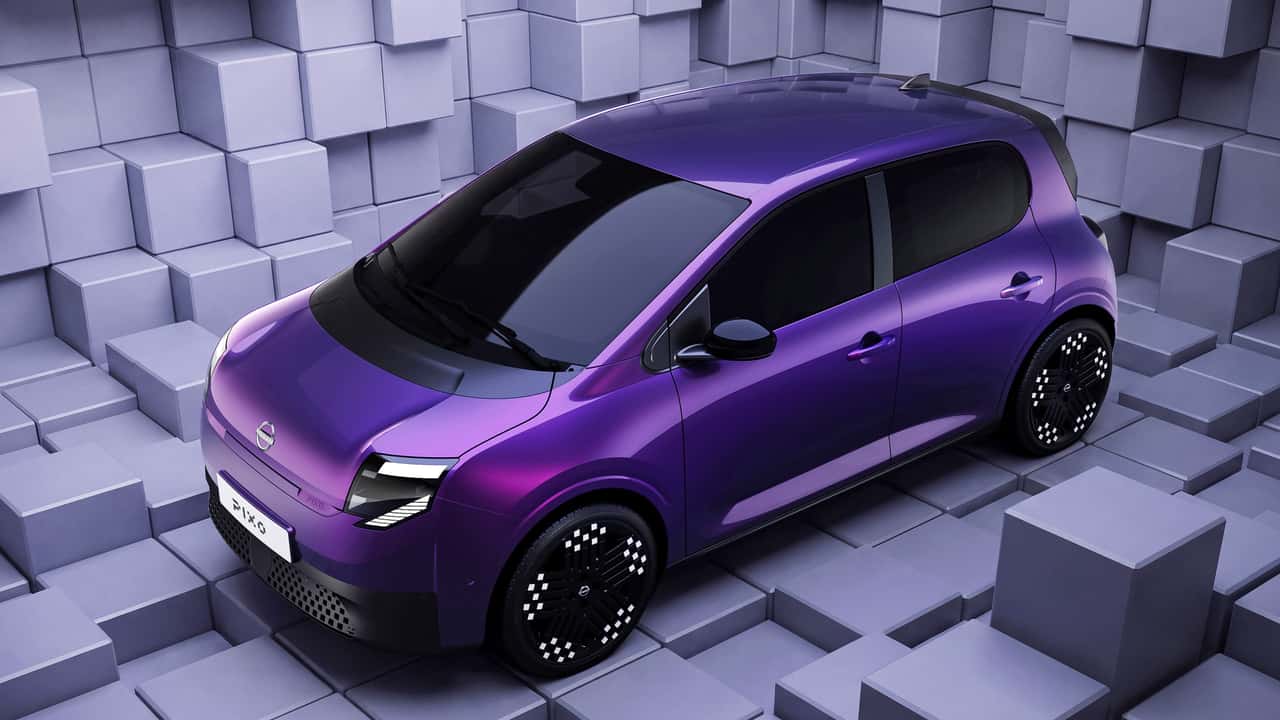
Nissan's newest electric vehicle, the Sakura, a compact city car, is notably equipped with a Lithium Iron Phosphate (LFP) battery sourced from the Chinese manufacturer CATL. This strategic sourcing decision underscores a broader trend within the automotive industry, where manufacturers are increasingly relying on specialized battery suppliers to meet production demands and technological advancements in electric mobility. The Sakura, which was first launched in Japan in 2022, has gained popularity for its affordability and suitability for urban commuting. Its adoption of CATL's LFP battery technology signifies a move towards more cost-effective and potentially more sustainable battery solutions, as LFP batteries typically do not use cobalt or nickel, which are subject to price volatility and ethical sourcing concerns.
CATL, or Contemporary Amperex Technology Co. Limited, is a global leader in the research, development, manufacturing, and sales of battery systems for new energy vehicles and energy storage systems. Founded in 2011 and headquartered in Ningde, Fujian, China, CATL has become a critical supplier to numerous major automakers worldwide, including Tesla, BMW, and Volkswagen. The company's expertise in LFP battery technology is particularly significant, as these batteries offer advantages such as longer cycle life, enhanced safety, and lower cost compared to traditional Nickel Manganese Cobalt (NMC) batteries. By integrating CATL's LFP batteries into the Sakura, Nissan aims to further enhance the vehicle's value proposition and appeal to a wider segment of the market.
The decision to use a Chinese-made battery for a vehicle branded as Nissan also reflects the complex global supply chain dynamics of the electric vehicle sector. While Nissan is a Japanese automotive giant with a long history of innovation, the specialized nature of battery production often necessitates partnerships with companies that possess deep expertise and large-scale manufacturing capabilities. This collaboration allows Nissan to focus on vehicle design, integration, and market distribution, while leveraging CATL's strengths in battery technology. The Sakura, despite its Nissan badging, represents a product of international cooperation, aiming to deliver an accessible and practical electric mobility solution.
The LFP battery technology itself is a key differentiator for the Sakura. LFP batteries are known for their stability and safety, making them an attractive option for mass-market electric vehicles. They also offer a good balance of energy density and cost, enabling manufacturers to produce EVs at more competitive price points. The specific capacity and performance metrics of the CATL batteries used in the Sakura are not detailed in the initial reports, but their inclusion is a deliberate choice to optimize the vehicle's cost-effectiveness and operational efficiency for its intended urban use case. This move by Nissan highlights the evolving landscape of EV manufacturing, where strategic sourcing and technological partnerships are paramount to success.
Original source — read the full reporting at the publisher:
Read on InsideEVsGet the weekly AI digest
AI news + new model releases, weekly. Drafted by our agents, reviewed by humans.