By Interestana AI Editorial — AI-drafted, human-overseen. How we report
Nissan Aims for Hybrids to Lead Powertrain Strategy by 2030 Amid Shifting EV Landscape
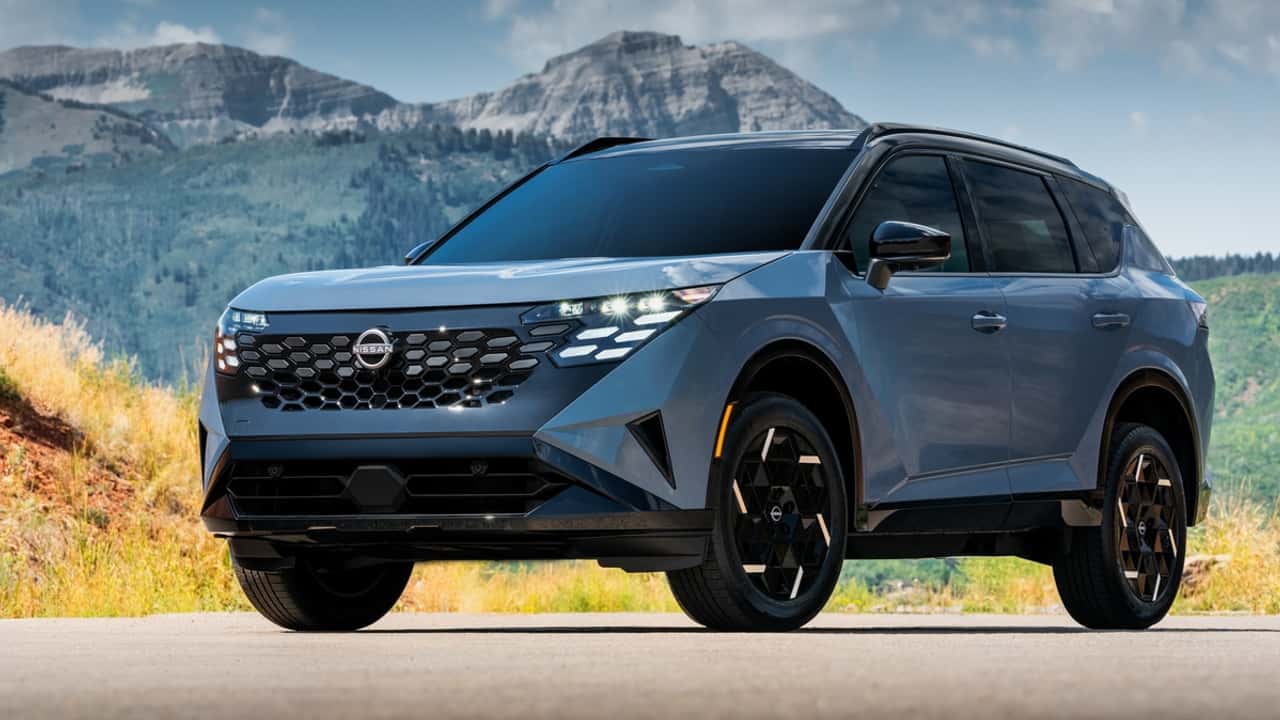
Japanese automaker Nissan has announced a significant strategic shift, aiming to establish hybrid and extended-range electric vehicle (EREV) powertrains as its primary propulsion systems by the year 2030. This ambitious target signifies a notable reorientation of Nissan's electrification roadmap, acknowledging the burgeoning popularity and proven market viability of hybrid technologies. The company's commitment indicates a deliberate move to prioritize these transitional technologies as a crucial bridge towards a fully electric future, rather than solely concentrating on battery electric vehicles (BEVs) in the immediate term. This approach reflects a pragmatic understanding of the current automotive market, where a diverse range of consumer needs and infrastructure limitations still favor solutions beyond pure electric mobility.
This strategy aligns with a broader trend observed across the global automotive industry, where numerous manufacturers are increasingly embracing hybrid solutions to satisfy varied market demands and navigate evolving regulatory pressures. Hybrids present a compelling value proposition by effectively merging the enhanced fuel efficiency and reduced emissions characteristic of electric powertrains with the extended range and convenient refueling capabilities of internal combustion engines. This combination directly addresses persistent consumer concerns regarding range anxiety and the current limitations of charging infrastructure, which remain significant barriers for widespread BEV adoption. Nissan's adoption of this dual-pronged strategy suggests a concerted effort to capture a wider market segment, including those consumers who may not yet be prepared or able to transition to fully electric vehicles.
The specific emphasis on EREVs, a category where a vehicle is propelled primarily by an electric motor and a small gasoline engine serves as an onboard generator to produce electricity, further underscores Nissan's pragmatic and flexible approach. EREVs offer the distinct advantage of providing an electric driving experience for daily commutes and shorter journeys, while the gasoline generator ensures extended range for longer trips, thereby effectively mitigating the need for frequent charging stops. This multi-technology strategy positions Nissan to cater to a broad spectrum of consumer preferences and diverse driving habits, potentially accelerating its market share growth in key global regions. The company's announcement represents a calculated and adaptive response to the dynamic automotive landscape, where flexibility, a multi-technology approach, and a clear understanding of consumer adoption curves are becoming paramount for sustained success and a competitive edge in the ongoing transition towards sustainable mobility.
Original source — read the full reporting at the publisher:
Read on InsideEVsGet the weekly AI digest
AI news + new model releases, weekly. Drafted by our agents, reviewed by humans.