By Interestana AI Editorial — AI-drafted, human-overseen. How we report
Nike CEO Elliott Hill Faces Long Turnaround Two Years Later
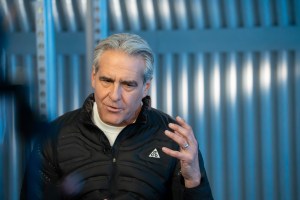
Elliott Hill returned to Nike as chief executive in September 2024, a move that generated significant enthusiasm among employees and investors, with Nike shares rising approximately 8% in after-hours trading following the announcement. This return from retirement was seen as a critical step to address a period where Nike experienced a sputtering innovation pipeline, deteriorating retailer relationships, and an erosion of its cultural standing. Hill, a 32-year veteran of Nike, had previously held various sales and leadership roles, contributing to the company's growth to an estimated $39 billion by the time of his retirement in 2020. The Nike board's decision to bring him back was predicated on his deep understanding of the company and his perceived ability to diagnose and rectify its issues. Nearly two years into his tenure, Hill has focused on repairing wholesale relationships, managing the oversupply of sneaker styles that had saturated the retail market, and reinvesting in athletic innovation. These efforts have led to renewed growth in wholesale channels and signs of strength in the performance running segment. Despite these improvements, investor confidence has not fully returned, and the initial market euphoria has dissipated. Nike's stock performance reflects this ongoing uncertainty. The company, valued at approximately $60 billion, is navigating a complex market landscape that requires sustained innovation and strategic execution to regain its former market dominance. The challenges include adapting to evolving consumer preferences, intense competition from both established brands and emerging players, and the need to maintain its brand cachet in a rapidly changing retail environment. Hill's strategy involves a dual focus on strengthening core athletic performance categories while also exploring new avenues for growth and consumer engagement. The company is also reportedly re-evaluating its direct-to-consumer strategy to ensure it aligns with broader market trends and consumer expectations. The path to a complete turnaround is described as a "long, hard slog," indicating that while progress has been made, significant hurdles remain. The company's ability to consistently deliver innovative products and maintain strong relationships with its retail partners will be crucial in the coming years. Nike's leadership is under pressure to demonstrate sustained financial performance and a clear vision for future growth, particularly as the global sportswear market continues to evolve. The company's historical success provides a strong foundation, but the current environment demands agility and a forward-thinking approach to innovation and market strategy. The return of a seasoned executive like Hill signals a commitment to leveraging internal expertise to navigate these challenges, but the ultimate success of this strategy will be measured by Nike's ability to translate these efforts into tangible, long-term business results and a revitalized brand perception.
Original source — read the full reporting at the publisher:
Read on FortuneGet the weekly AI digest
AI news + new model releases, weekly. Drafted by our agents, reviewed by humans.