By Interestana AI Editorial — AI-drafted, human-overseen. How we report
NIH to Divert Funds to DoD for Countermeasure Research Amid Budgetary Shifts
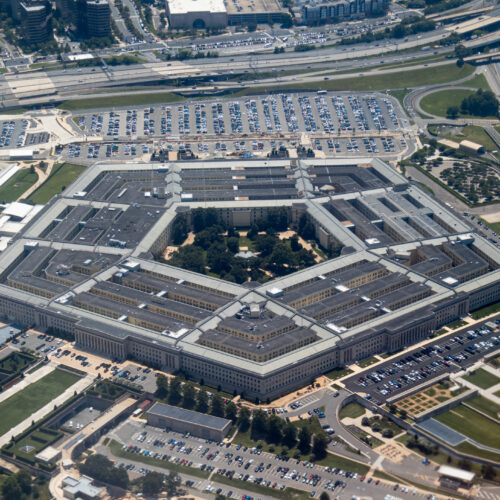
The National Institutes of Health (NIH), a leading U.S. federal agency dedicated to biomedical research, has entered into a significant ten-year agreement to transfer a portion of its budgetary allocation to the Department of Defense (DoD). This arrangement, confirmed by the DoD shortly before a U.S. holiday weekend, follows unofficial reports and marks a notable shift in federal research funding dynamics. The core of the agreement involves the NIH providing funds to the DoD for staff and projects focused on the "advanced development of medical countermeasures." These countermeasures are specifically targeted at addressing critical threats including pandemic influenza, chemical, biological, radiological, and nuclear (CBRN) agents, and emerging infectious diseases. This strategic collaboration aims to bolster national security and public health preparedness by leveraging the distinct capabilities of both agencies.
The funding for this initiative will be drawn from the budget of the NIH's National Institute of Allergy and Infectious Diseases (NIAID). NIAID, a vital component of the NIH, is responsible for leading research and training to understand, prevent, and treat infectious, immunologic, and allergic diseases. For the fiscal year 2026, Congress has allocated $6.6 billion to NIAID. The precise amount of NIAID's budget that will be transferred to the DoD under this new agreement remains unspecified. However, reporting from the esteemed scientific journal Nature suggests that the DoD initially sought a substantial portion, up to one-third of its total budget, but was advised to pursue approximately 10 percent. This indicates a potentially significant, though not fully disclosed, financial commitment from the NIH to DoD research.
This agreement is particularly striking due to several factors. Firstly, there is an enormous disparity in the overall budgets of the two agencies. The DoD's 2026 budget is projected to be around $1 trillion, a figure vastly exceeding the NIH's total budget. This substantial difference highlights the scale of the resource transfer being considered. Furthermore, the DoD's budget is currently under considerable strain, reportedly due to the open-ended nature of ongoing conflicts, such as the one with Iran. Secondly, the research areas designated for DoD funding under this agreement are those that current NIH leadership has explicitly rejected or declined to support through its traditional grant-making processes. This suggests a strategic redirection of resources to pursue research priorities that may have been deemed too high-risk, too specialized, or outside the immediate scope of NIAID's current internal research agenda.
The timing of this deal also coincides with reported challenges faced by the NIH in fully utilizing the funds allocated to it by Congress through grant issuances. This situation may have created an impetus for exploring alternative avenues for research investment. The agreement was signed approximately one month prior to its public confirmation, underscoring a period of internal deliberation and finalization. The long-term implications of this inter-agency funding mechanism for both the NIH's research trajectory and the DoD's capabilities in developing critical countermeasures are yet to be fully assessed. However, the initiative clearly signals a strategic realignment of federal resources aimed at addressing pressing national security and public health concerns through collaborative research efforts.
Original source — read the full reporting at the publisher:
Read on Ars TechnicaGet the weekly AI digest
AI news + new model releases, weekly. Drafted by our agents, reviewed by humans.