Nigel Farage Seeks Mandate for Corruption
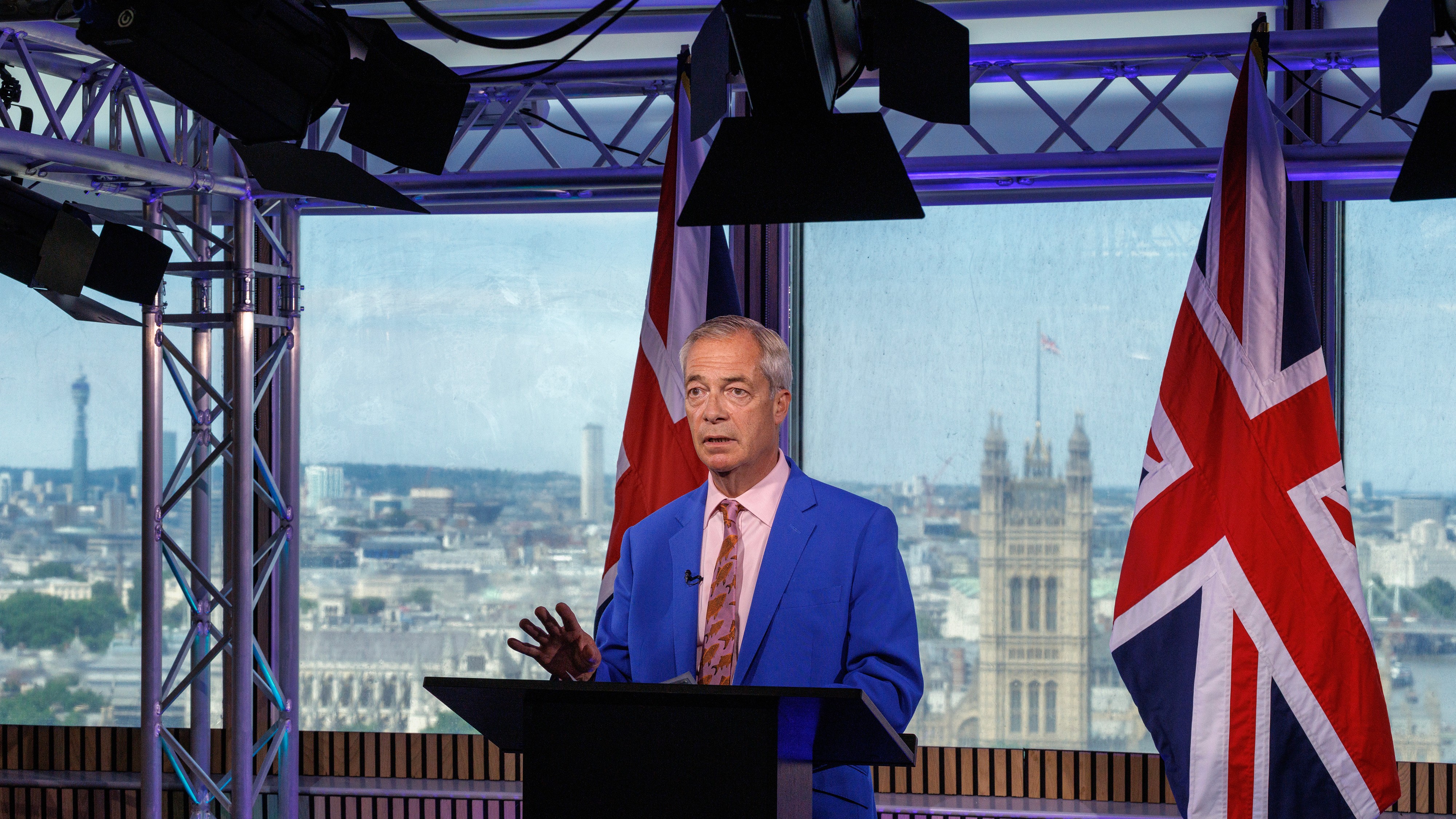
Nigel Farage, a prominent British populist figure, has articulated a controversial stance, suggesting he is seeking a mandate that could be interpreted as a "Trumpian gamble." This statement implies a willingness to pursue political power with a disregard for established ethical norms, drawing parallels to the political strategies employed by former U.S. President Donald Trump. The framing of his ambition as a "gamble" indicates a high-stakes political maneuver, where the potential rewards are significant but the risks of public backlash and reputational damage are equally substantial.
Farage's rhetoric, as presented, suggests a potential shift in his political approach, moving towards a more assertive and potentially less conventional style of leadership. The phrase "mandate for corruption" is provocative and likely intended to capture attention and provoke debate. It raises questions about the specific actions or policies he envisions that would fall under such a broad and negative characterization. Observers are left to interpret whether this is a deliberate rhetorical strategy to energize his base or a genuine indication of his future political intentions.
The comparison to Donald Trump is significant, as Trump's presidency was marked by numerous controversies and accusations of corruption, as well as a populist appeal that resonated with a substantial portion of the electorate. Farage's adoption of this parallel suggests an alignment with a political playbook that prioritizes disruption and challenges to the status quo, even at the expense of traditional political decorum or ethical considerations. This approach has proven effective for some populist leaders in gaining and maintaining power, but it also carries inherent risks of alienating moderate voters and facing increased scrutiny from regulatory bodies and the media.
Original source — read the full reporting at the publisher:
Read on The Atlantic