By Interestana AI Editorial — AI-drafted, human-overseen. How we report
Nicaragua Legislature Debates Barring Opposition From Elections
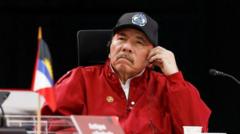
Nicaragua's National Assembly began debating a legislative proposal this week that could effectively bar opposition parties and candidates from participating in future elections. This move follows a directive from President Daniel Ortega, who publicly called for "a wall, a blockade" against any political groups challenging his government. The proposed legislation, if passed, would grant electoral authorities broader powers to disqualify political organizations and individuals deemed to be undermining national sovereignty or peace. Critics argue this is a deliberate attempt to consolidate power and eliminate any remaining political dissent ahead of the 2026 general elections.
Sources within the ruling Sandinista National Liberation Front (FSLN) have indicated that the bill is designed to ensure "stability" and prevent what they term "foreign interference" in Nicaragua's political processes. However, human rights organizations and international observers have expressed grave concerns, viewing the legislation as a significant blow to democratic principles and the rule of law. The debate is expected to conclude rapidly, with the ruling party holding a supermajority in the legislature, making the bill's passage highly probable. This development comes amid a broader crackdown on civil society and political opposition in Nicaragua that has been ongoing since 2018.
The potential disqualification of opposition figures could lead to a scenario where President Ortega, who has been in power since 2007 (with a brief interruption), faces no significant electoral challenge. The Supreme Electoral Council (CSE), an institution often criticized for its close ties to the executive branch, would be empowered to interpret and enforce the new regulations. This could result in a further erosion of electoral integrity and a deepening of Nicaragua's political isolation on the international stage. The implications for democratic governance and human rights in the country are substantial, as the space for political participation continues to shrink.
Original source — read the full reporting at the publisher:
Read on BBC World NewsGet the weekly AI digest
AI news + new model releases, weekly. Drafted by our agents, reviewed by humans.