By Interestana AI Editorial — AI-drafted, human-overseen. How we report
Nicaragua Leader Proposes Extending Presidential Term
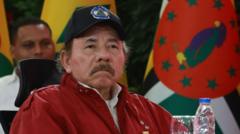
Nicaraguan President Daniel Ortega, aged 80, has put forth a proposal to extend his current presidential term by an additional year. This initiative, if enacted, would necessitate a constitutional amendment, a mechanism that has been utilized previously to facilitate Ortega's extended tenure in power. The proposal signifies a continuation of a pattern where constitutional frameworks have been adjusted to accommodate the longevity of his leadership. Ortega, a prominent figure in Nicaraguan politics for decades, has held the presidency for multiple terms, often through electoral processes that have faced international scrutiny. His political career began in the Sandinista National Liberation Front (FSLN) during the 1979 revolution, and he served as president from 1985 to 1990. He returned to the presidency in 2007 and has been re-elected since, with the most recent election occurring in November 2021. The proposed extension comes amid ongoing concerns about democratic institutions and human rights in Nicaragua. Critics and international observers have frequently pointed to electoral irregularities and the suppression of political opposition as significant issues within the country. The FSLN, under Ortega's leadership, has consolidated power, leading to a political landscape where the opposition has been largely marginalized. The proposed amendment would further extend the mandate of the current administration, potentially delaying any significant shifts in the country's political direction. The Nicaraguan constitution, originally established in 1987, has undergone several amendments since Ortega's return to power, including changes that allowed for indefinite re-election and the elimination of a runoff requirement in presidential elections. These modifications have been central to maintaining the FSLN's grip on power. The current proposal to extend the presidential term by one year is seen by many as another step in this direction, aiming to solidify the existing political order. The implications of such an extension extend beyond the presidential office, potentially affecting the composition and functioning of other branches of government, including the judiciary and the legislature, which are largely controlled by the ruling party. The international community, including organizations such as the United Nations and the Organization of American States, has previously expressed concerns regarding the erosion of democratic norms and human rights in Nicaragua. The proposed term extension is likely to draw further international attention and criticism, potentially impacting diplomatic relations and economic sanctions. The political climate in Nicaragua remains tense, with significant divisions between the government and segments of the population advocating for greater political freedoms and democratic reforms. The outcome of this proposal will be closely watched as it could further shape the trajectory of Nicaragua's political future and its standing on the global stage.
Original source — read the full reporting at the publisher:
Read on BBC World NewsGet the weekly AI digest
AI news + new model releases, weekly. Drafted by our agents, reviewed by humans.