By Interestana AI Editorial — AI-drafted, human-overseen. How we report
NHTSA Audits Tesla Cybercab Self-Certification
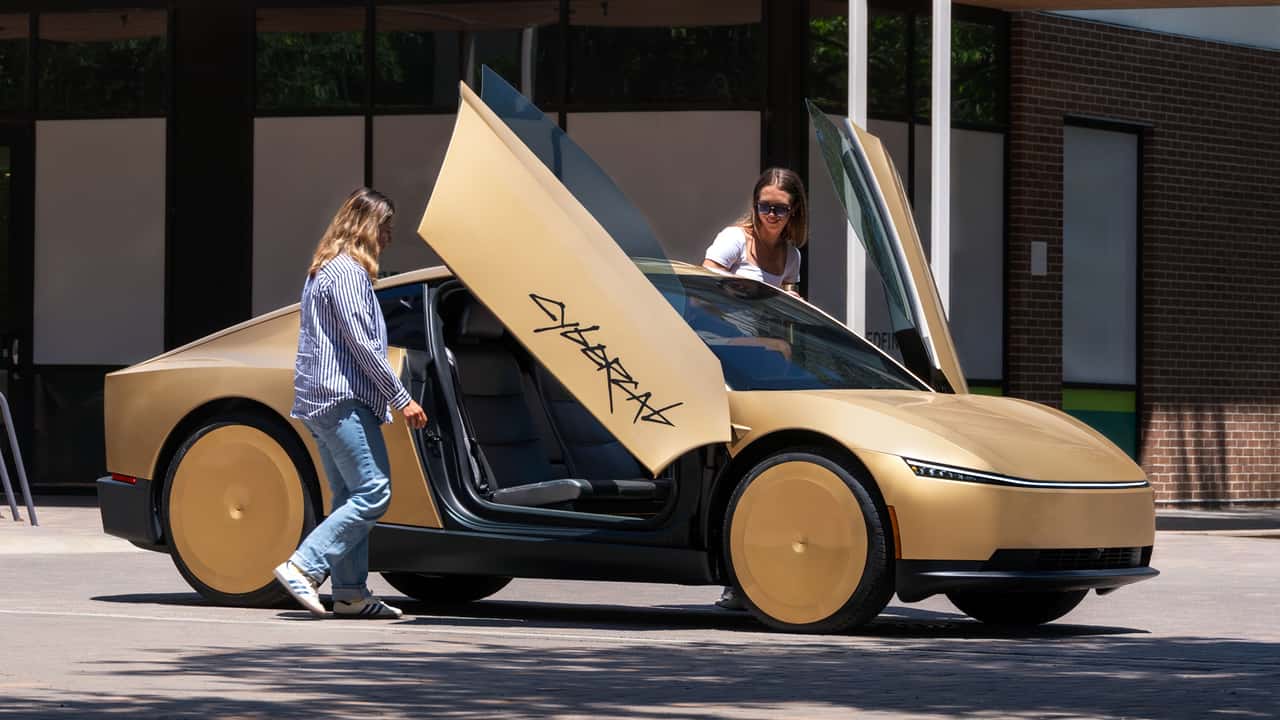
The National Highway Traffic Safety Administration (NHTSA) has initiated an audit into Tesla's self-certification process for its new steering-wheel-free Cybercab, also known as the Robotaxi. This audit, which commenced shortly after Tesla's public demonstration and launch event for the Cybercab in Austin, Texas, focuses on how the company determined that the vehicle complies with existing United States safety standards for automated driving systems. The core of the NHTSA's concern lies in Tesla's assertion that the Cybercab meets all applicable Federal Motor Vehicle Safety Standards (FMVSS) without requiring a human driver to be present or in control, a critical point given the vehicle's complete absence of traditional driver controls like a steering wheel or pedals.
Tesla's self-certification approach means the company itself has attested to the safety and compliance of the Cybercab. However, regulatory bodies like the NHTSA are tasked with verifying these claims, especially for vehicles that represent a significant departure from conventional automotive design and operation. The audit will likely involve a detailed review of Tesla's testing data, safety analyses, and the specific methodologies used to conclude that the Cybercab adheres to safety regulations designed with human-operated vehicles in mind. This includes examining how Tesla addressed aspects such as emergency maneuverability, fail-safe systems, and the overall safety performance in a wide range of driving scenarios.
The Cybercab's unveiling in Austin marked a significant moment for Tesla, showcasing its vision for autonomous ride-hailing services. The vehicle is designed to operate without human intervention, relying entirely on its advanced sensor suite and artificial intelligence for navigation and control. This autonomous capability is central to its business model, which aims to deploy a fleet of these vehicles for public transportation. The NHTSA's scrutiny is therefore a crucial step in ensuring that this innovative technology is deployed safely and responsibly, aligning with public safety expectations and regulatory frameworks.
This audit underscores the ongoing tension between rapid technological advancement in the autonomous vehicle sector and the pace of regulatory adaptation. While companies like Tesla push the boundaries of what is possible, government agencies must ensure that safety remains paramount. The outcome of the NHTSA's audit could have significant implications for Tesla's deployment plans for the Cybercab and may also influence future regulatory approaches to self-driving vehicle certification across the industry. The agency's examination will seek to confirm that Tesla's self-assessment adequately covers the unique safety challenges presented by a fully autonomous vehicle.
Original source — read the full reporting at the publisher:
Read on Motor1Get the weekly AI digest
AI news + new model releases, weekly. Drafted by our agents, reviewed by humans.