By Interestana AI Editorial — AI-drafted, human-overseen. How we report
California High-Speed Rail Seeks Private Investors
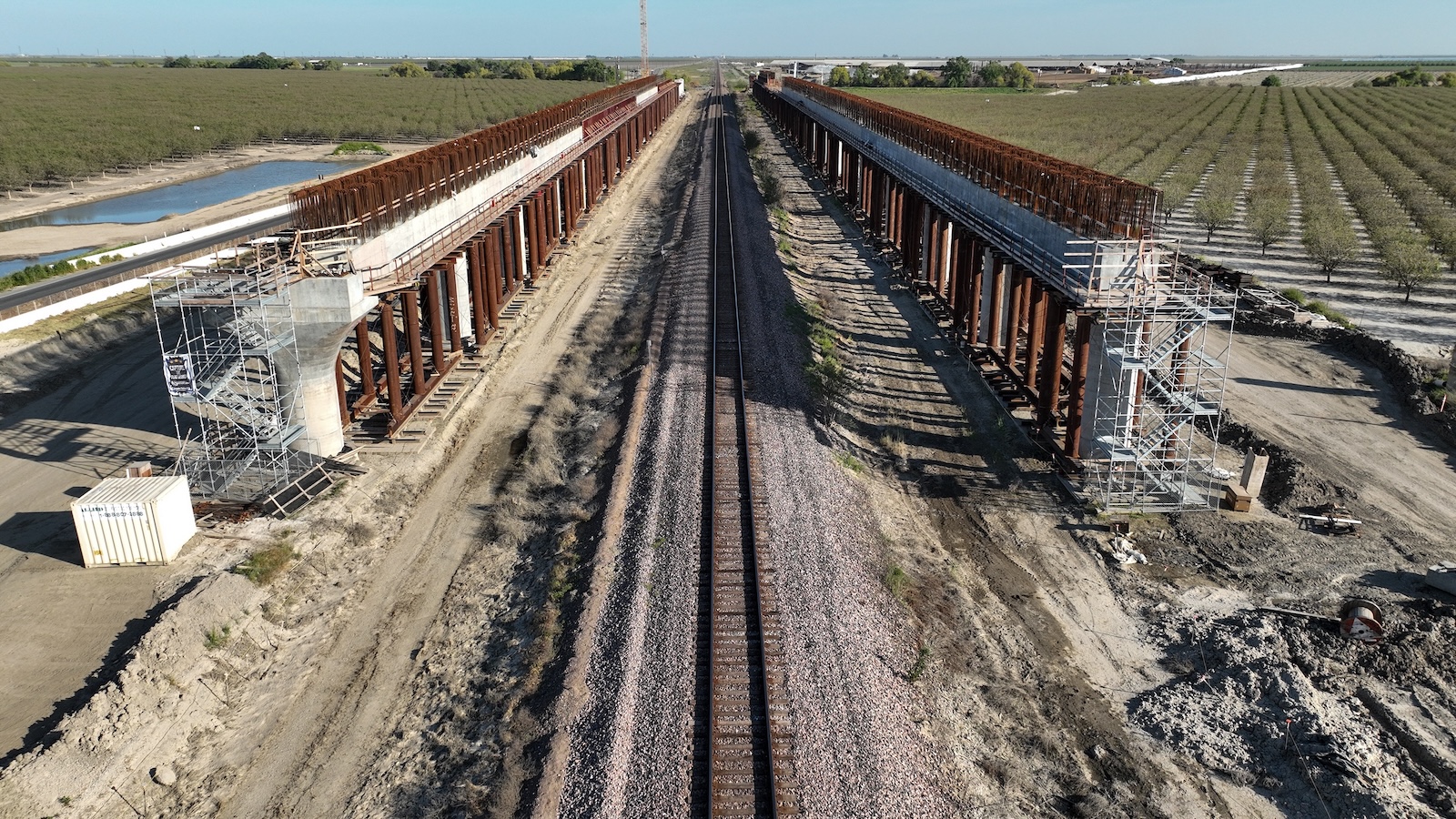
California's ambitious high-speed rail project, initiated with a voter-approved $10 billion bond measure in 2008, is now actively seeking private investors to secure its future funding. For nearly two decades, the project has relied primarily on taxpayer money, with initial projections envisioning a system capable of transporting riders between San Francisco and Los Angeles in just 2 hours and 40 minutes, utilizing renewable energy to cut emissions by up to 3 million metric tons annually. The original plan anticipated a total project budget of $33 billion, with significant contributions expected from both the federal government and the private sector. However, federal support has proven inconsistent, fluctuating with different presidential administrations. The California High-Speed Rail Authority has publicly stated that "the federal government is not a reliable, constructive, or trustworthy partner" in advancing the project, particularly after years of legal disputes with the Trump administration. Concurrently, private capital has largely remained disengaged from the initiative. To address this funding gap and shift the project's trajectory, the California High-Speed Rail Authority has entered into a $25 million agreement with a consortium of companies. This consortium will spend the next six months developing comprehensive funding strategies aimed at expanding the high-speed rail network beyond its current focus in the Central Valley, with the ultimate goal of connecting to San Francisco and Los Angeles. Ian Choudri, the agency's CEO, stated in a news release that "this agreement reflects growing market confidence in that strategy and the long-term potential of California high-speed rail as a transformative investment in California’s future." Choudri further elaborated that the agency has spent the past year implementing measures to "reposition" the project, emphasizing a "more commercially focused and delivery-oriented strategy." The majority of current construction is concentrated in California's Central Valley, which will host the initial operational phase of the high-speed rail line. This strategic shift towards private investment is a critical step in realizing the long-held vision of a world-class high-speed rail system for California, aiming to alleviate traffic congestion, reduce carbon emissions, and stimulate economic growth across the state.
Original source — read the full reporting at the publisher:
Read on GristGet the weekly AI digest
AI news + new model releases, weekly. Drafted by our agents, reviewed by humans.