By Interestana AI Editorial — AI-drafted, human-overseen. How we report
California High-Speed Rail Seeks Private Investors
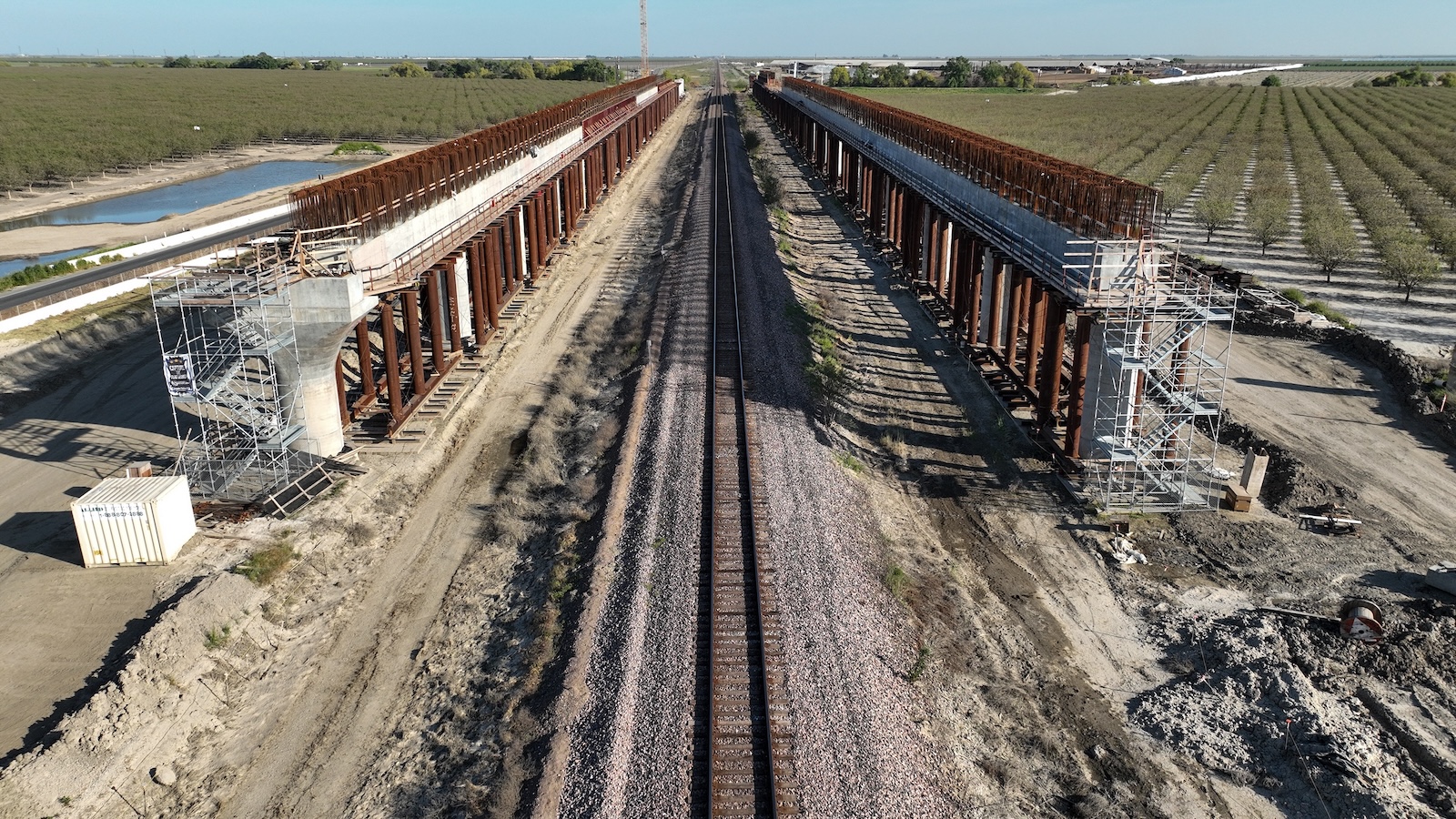
California's ambitious high-speed rail project, initially envisioned to connect San Francisco and Los Angeles in 2 hours and 40 minutes using renewable energy and reducing emissions by up to 3 million metric tons annually, is now actively seeking private investment. Voters approved a $10 billion bond measure in 2008, but this was never intended to cover the full projected $33 billion budget. State officials had planned for equal contributions from the federal government and the private sector. However, federal support has been inconsistent, with the state characterizing the federal government as "not a reliable, constructive, or trustworthy partner" following legal disputes with the Trump administration. Private capital has largely remained disengaged from the project. To address this, the California High-Speed Rail Authority recently entered into a $25 million agreement with a consortium of companies. This consortium will spend the next six months developing funding strategies to extend the high-speed rail network beyond its current Central Valley focus, with the goal of eventually reaching San Francisco and Los Angeles. Ian Choudri, the agency's CEO, stated that this agreement signifies "growing market confidence in that strategy and the long-term potential of California high-speed rail as a transformative investment in California’s future." Choudri also indicated that the authority has spent the past year repositioning the project with a "more commercially focused and delivery-oriented strategy." The majority of current construction is concentrated in the Central Valley, where the initial phase is designed to link cities within that region. The project's initial phase is focused on a 119-mile segment in the Central Valley, connecting Merced to Bakersfield. This segment is expected to be the first to operate, though its completion date has been subject to delays. The overall vision for the California High-Speed Rail system is to create a sustainable and efficient transportation network that can significantly reduce reliance on cars and air travel, thereby contributing to California's climate goals. The project's reliance on private investment marks a significant shift in its funding model, reflecting the challenges of securing consistent public funding for large-scale infrastructure projects. The success of this new strategy will depend on attracting sufficient private capital and demonstrating a clear path to profitability and operational efficiency. The consortium's work over the next six months will be crucial in determining the feasibility of these expansion plans and the overall future of the high-speed rail initiative.
Original source — read the full reporting at the publisher:
Read on GristGet the weekly AI digest
AI news + new model releases, weekly. Drafted by our agents, reviewed by humans.