By Interestana AI Editorial — AI-drafted, human-overseen. How we report
NYC Food Carts Trial Electric Power for Cleaner Air
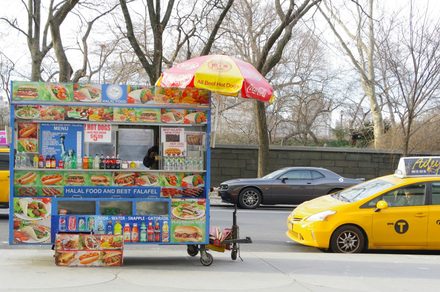
New York City has initiated a pilot program to transition its ubiquitous food carts from propane-powered generators to battery-electric systems. This initiative, launched on an unspecified date in early 2024, aims to significantly reduce air pollution, noise levels, and fuel consumption associated with mobile food vending. The program seeks to create a healthier environment for both the city's residents and the street vendors themselves, who often operate in close proximity to their equipment. The shift to electric power is expected to eliminate the direct emission of greenhouse gases and particulate matter previously generated by propane combustion, contributing to the city's broader climate goals and air quality improvement targets.
The transition involves equipping food carts with advanced battery technology that can power cooking equipment, refrigeration, and lighting. These systems are designed to be recharged at designated charging stations, similar to electric vehicles, thereby minimizing downtime for vendors. The specific type of battery technology and the capacity of the systems are not detailed in the initial reports, but the focus is on providing a reliable and sustainable power source. The program is being managed by an unspecified city agency, likely the Department of Health and Mental Hygiene or the Department of Small Business Services, in collaboration with food vendor associations and technology providers. The trial aims to assess the feasibility, cost-effectiveness, and operational impact of electric food carts across various vendor types and locations within the city.
Beyond environmental benefits, the electric carts are anticipated to improve working conditions for vendors. Propane generators can produce significant heat and noise, creating an uncomfortable and potentially hazardous work environment. Battery-powered systems are quieter and generate less heat, offering a more pleasant and safer workspace. Furthermore, the elimination of propane tank refills and the associated logistical challenges could streamline vendor operations. The economic implications are also a key consideration, with the city evaluating potential long-term savings on fuel costs for vendors, despite the initial investment in new equipment. The program's success will likely be measured by metrics such as emission reductions, noise level decreases, vendor adoption rates, and overall operational efficiency.
This initiative aligns with New York City's commitment to sustainability and its efforts to decarbonize various sectors of its economy. Previous efforts to regulate food cart emissions have included restrictions on generator types and operating hours. The move towards electrification represents a more proactive and technologically driven approach to addressing the environmental impact of mobile food businesses. The pilot phase will provide crucial data to inform potential city-wide mandates or incentives for adopting electric food cart technology in the future. The specific timeline for the pilot's duration and the evaluation of its results are yet to be announced, but the program signifies a tangible step towards a greener urban landscape for mobile commerce. The number of participating carts in the initial trial is also not specified.
Original source — read the full reporting at the publisher:
Read on Digital TrendsGet the weekly AI digest
AI news + new model releases, weekly. Drafted by our agents, reviewed by humans.