By Interestana AI Editorial — AI-drafted, human-overseen. How we report
Self-Loading Bulk Cargo Vessel Cuts Freight Emissions by 50%
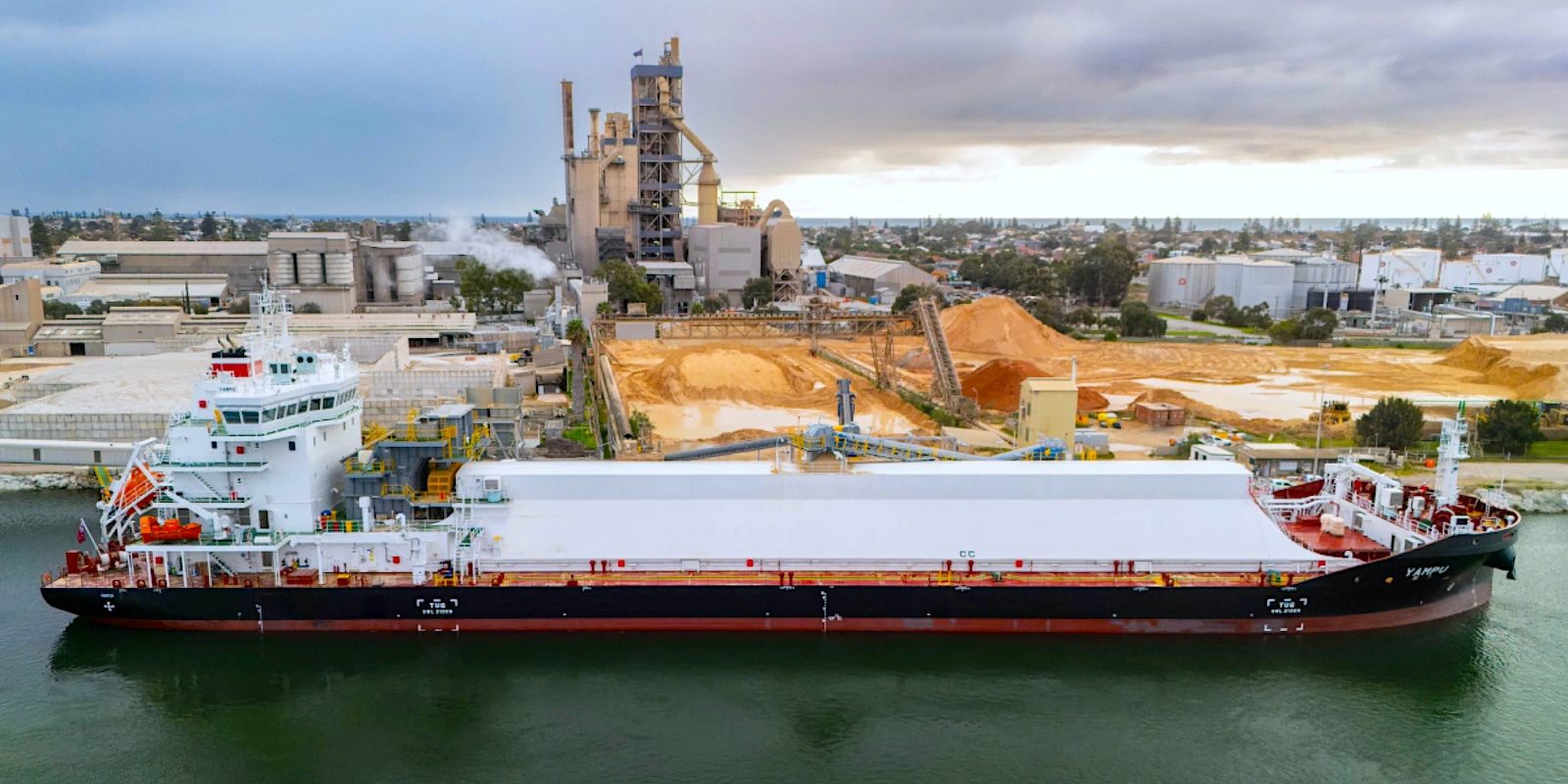
The MV Yampu, recognized as the world's first self-loading and unloading bulk cargo vessel, has been introduced with technology designed to significantly reduce freight emissions. This innovation directly addresses the substantial environmental impact of moving millions of tons of bulk commodities such as coal and sugar globally. The vessel's self-handling capabilities are engineered to streamline the loading and unloading processes, which are critical and often emission-intensive stages in bulk cargo transportation. By automating these operations, the MV Yampu aims to achieve a 50% reduction in freight emissions, a substantial improvement over conventional methods.
The development of the MV Yampu represents a significant step forward in decarbonizing the bulk shipping industry, a sector that faces unique challenges in its transition to more sustainable practices. Traditional bulk cargo operations rely on external port infrastructure for loading and unloading, which can be time-consuming and energy-intensive, contributing to a larger carbon footprint. The integrated self-loading and unloading system on the MV Yampu eliminates the need for extensive shore-based equipment for these specific tasks, thereby reducing reliance on fossil fuels and associated emissions at port. This onboard automation is a key factor in achieving the stated 50% emission reduction.
This technological advancement is particularly relevant given the global push towards reducing greenhouse gas emissions across all industrial sectors. The maritime industry, responsible for a significant portion of global trade, is under increasing pressure to adopt greener technologies and operational practices. The MV Yampu's design offers a tangible solution for bulk carriers, demonstrating that substantial emission reductions are achievable through innovative engineering. The vessel's operational efficiency is expected to not only benefit the environment but also potentially offer economic advantages through reduced fuel consumption and optimized turnaround times in ports.
While specific details regarding the proprietary technology enabling the self-loading and unloading functions have not been fully disclosed, the impact of such a system on reducing the carbon intensity of bulk cargo transport is considerable. The successful implementation of the MV Yampu's technology could pave the way for wider adoption in the global fleet of bulk carriers, accelerating the industry's journey towards sustainability. The reduction of emissions by half signifies a major breakthrough in making bulk shipping more environmentally responsible and aligns with international climate goals.
Original source — read the full reporting at the publisher:
Read on ElectrekGet the weekly AI digest
AI news + new model releases, weekly. Drafted by our agents, reviewed by humans.