By Interestana AI Editorial — AI-drafted, human-overseen. How we report
Lenovo Googlebook 15 Renders Show Android Desktop, Gemini Controls
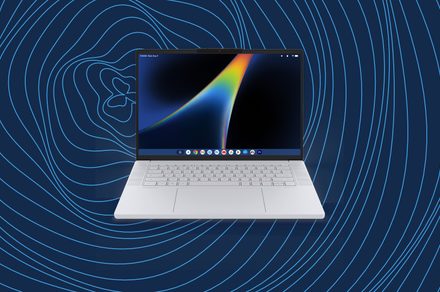
New renders of the Lenovo Googlebook 15, a device positioned as Google's potential successor to Chromebooks, have emerged, offering the clearest view yet of its hardware and software. These images reveal an Android-powered desktop interface, suggesting a significant shift in Google's operating system strategy for personal computing devices. The renders highlight a dedicated button or key on the keyboard, explicitly labeled for Gemini, Google's generative artificial intelligence model. This dedicated control implies deep integration of AI functionalities directly into the user experience, potentially allowing for quick access to AI-powered tasks and assistance.
The leaked hardware specifications from the renders indicate a device with a substantial port selection, featuring multiple USB-A and USB-C ports, an HDMI output, and an SD card reader. This generous array of connectivity options suggests a focus on versatility and the ability to connect various peripherals, catering to users who require more than basic computing capabilities. The design also appears to incorporate a webcam, a standard feature for modern laptops, and a full-sized keyboard with a numeric keypad, further reinforcing the device's serious productivity pitch. The overall aesthetic presented in the renders suggests a more robust and business-oriented form factor than typically associated with Chromebooks.
The "Googlebook" moniker itself, if adopted, signifies a bold move by Google to redefine its personal computing hardware strategy. While Chromebooks have found success in education and budget-conscious markets, the Googlebook 15 appears to be targeting a more premium and productivity-focused segment. The integration of Android applications, combined with dedicated AI features and a comprehensive port selection, positions this device as a potential competitor to traditional Windows laptops and Apple's MacBooks. The renders suggest that Google is aiming to leverage its strengths in AI and its vast Android ecosystem to create a compelling alternative in the desktop and laptop space, moving beyond the cloud-centric model of Chromebooks.
This leak comes at a time when the personal computing market is undergoing shifts, with increased demand for devices that offer seamless integration of AI and robust multitasking capabilities. The inclusion of dedicated Gemini controls is particularly noteworthy, as it signals Google's commitment to embedding AI deeply into its hardware offerings. The success of the Googlebook 15 will likely depend on how effectively Google can bridge the gap between the Android mobile experience and a full-fledged desktop environment, while also delivering on the promise of enhanced productivity through its AI features. The detailed renders provide a strong indication of Google's ambitious plans for its next generation of personal computing devices.
Original source — read the full reporting at the publisher:
Read on Digital TrendsGet the weekly AI digest
AI news + new model releases, weekly. Drafted by our agents, reviewed by humans.