By Interestana AI Editorial — AI-drafted, human-overseen. How we report
Experimental Alzheimer's Drug Shows Promise in Slowing Decline
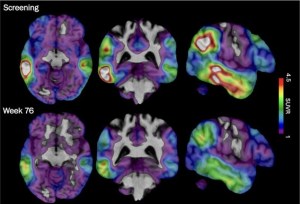
An experimental drug named diranersen has shown potential in slowing cognitive decline in early-stage Alzheimer's disease by targeting the tau protein, according to findings presented at the Alzheimer's Association International Conference in London this week. Unlike current treatments like lecanemab and donanemab, which focus on clearing amyloid plaques, diranersen aims to reduce tau levels, a key component in Alzheimer's progression that has historically been difficult to target with drugs. The study involved approximately 400 participants, and results indicated that diranersen not only lowered tau levels but also showed a slowing of cognitive decline, with one small subgroup exhibiting results comparable to amyloid-targeting therapies.
Biogen, the developer of diranersen, plans to conduct a larger study to further validate these promising results. Experts not involved in the study, such as Jessica Langbaum of the Banner Alzheimer's Institute, described the findings as "really quite promising if it were to hold up" in subsequent testing. Dr. Reisa Sperling of Mass General Brigham cautioned that "these are early days," but suggested that the results could "reinvigorate interest and investment in lots of tau mechanisms," which the field urgently needs. Alzheimer's disease affects over 7 million Americans and tens of millions globally, with amyloid plaque buildup beginning decades before symptoms manifest.
This novel approach is part of a broader effort to develop new strategies against the neurodegenerative disease. Other experimental treatments include a potential tau vaccine, an repurposed heart drug showing promise for high-risk individuals, and methods to improve drug delivery across the blood-brain barrier. The exact cause of Alzheimer's remains unclear, but the accumulation of amyloid protein is known to trigger downstream effects, including the formation of tau tangles, which are toxic to brain cells and contribute to cognitive impairment.
Original source — read the full reporting at the publisher:
Read on FortuneGet the weekly AI digest
AI news + new model releases, weekly. Drafted by our agents, reviewed by humans.