By Interestana AI Editorial — AI-drafted, human-overseen. How we report
New Camera Guidelines for Female Athletics Coverage
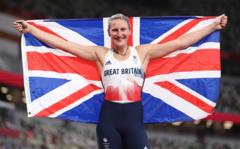
New guidelines have been released to advise broadcasters on employing more respectful camera angles when covering live female athletics events. These recommendations aim to promote a more professional and less objectifying portrayal of female athletes during broadcasts. The guidelines suggest focusing on the athletic performance and skill of the competitors, rather than on their physical appearance. This initiative comes as part of a broader effort to foster a more equitable and respectful media environment for women in sports.
The recommendations encourage camera operators and directors to consider the context of the event and the athlete's perspective. They emphasize capturing the intensity of competition, the dedication of the athletes, and the overall narrative of the sporting event. Specific advice includes avoiding prolonged shots of athletes' bodies outside of the context of their sport and ensuring that camera focus remains on the action and the athlete's face and performance. The goal is to shift the visual narrative from one that may inadvertently sexualize athletes to one that celebrates their athleticism and achievements.
These guidelines are intended to be a proactive step towards ensuring that media coverage of women's sports is as substantive and respectful as that of men's sports. By providing clear advice on camera techniques, broadcasters can better align their practices with the values of fairness and respect in sports journalism. The implementation of these guidelines is expected to contribute to a more positive perception of female athletes and their contributions to the world of sports.
Original source — read the full reporting at the publisher:
Read on BBC SportGet the weekly AI digest
AI news + new model releases, weekly. Drafted by our agents, reviewed by humans.