By Interestana AI Editorial — AI-drafted, human-overseen. How we report
Jeff Flake Believes Republican Party Will Reject Trump
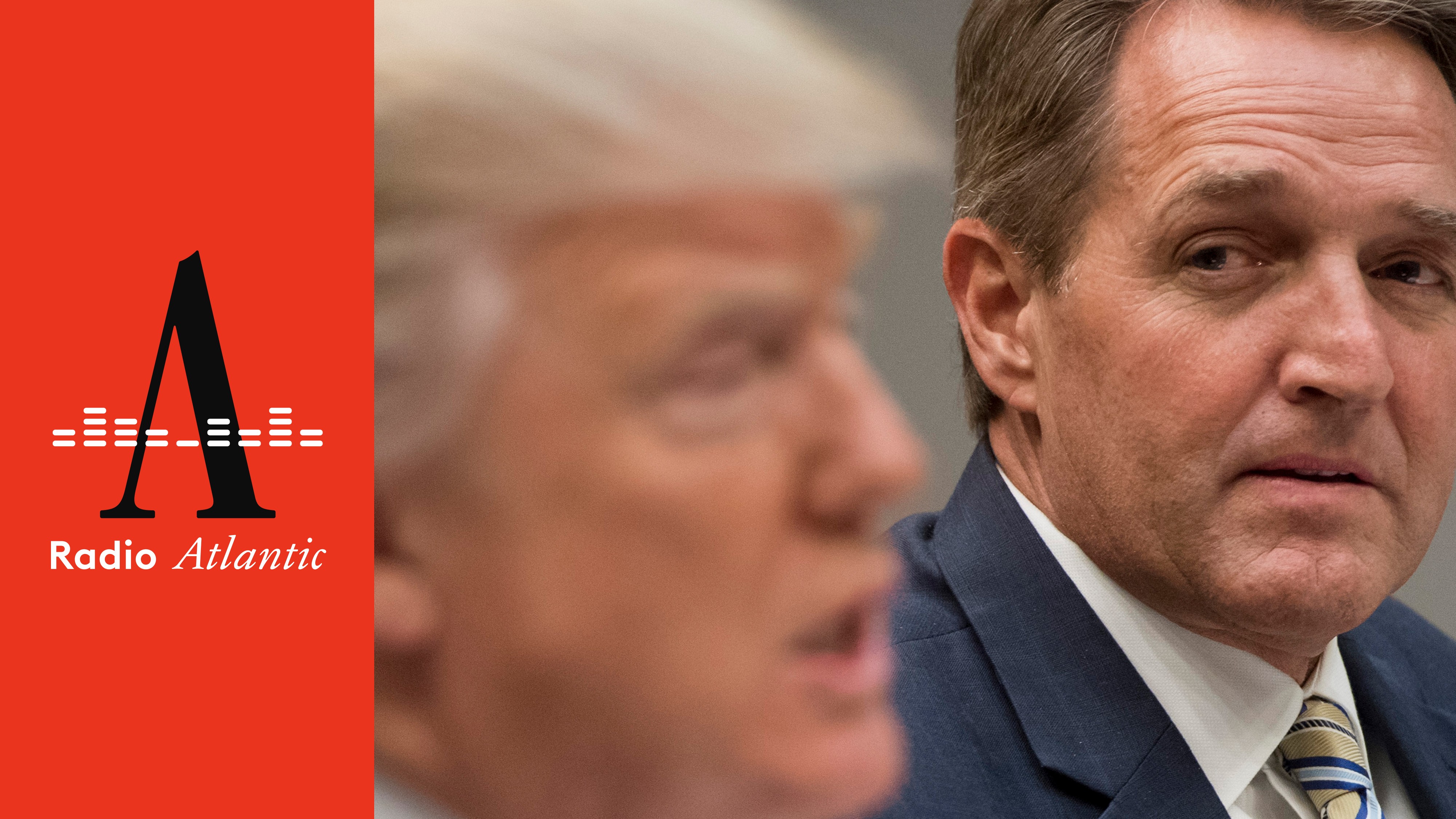
Former Republican Senator Jeff Flake expressed his conviction that the Republican Party will ultimately detach itself from Donald Trump's influence, even though a significant portion of the party remains loyal. Flake, who served as a U.S. Senator from Arizona from 2013 to 2019, has been a vocal critic of Trump and his impact on the Republican Party's principles and direction. He believes that the "spell" Trump has over his party will break, leading to a realignment of conservative values and leadership.
Flake's perspective is rooted in his observation of historical political shifts and his understanding of the underlying tenets of the Republican Party. He suggests that the current fervent support for Trump is a temporary phenomenon, driven by a specific set of circumstances and personalities, rather than a permanent ideological transformation. He anticipates that as the political landscape evolves and new leaders emerge, the party will naturally gravitate back towards its traditional conservative platform, which he argues is incompatible with Trump's populist and often norm-breaking approach.
While acknowledging the current challenges in challenging Trump's dominance within the party, Flake remains optimistic about the long-term prospects for a post-Trump Republican Party. He pointed to the fact that Trump has not been able to secure a decisive victory in every election he has been involved in, and that there are still pockets of resistance and dissent within the party. Flake's stance is not one of active campaigning against Trump, but rather a philosophical belief in the resilience of the Republican Party's core identity. He suggests that the party's base, while currently captivated by Trump, will eventually seek a return to more conventional conservative principles and governance.
Flake's commentary comes at a time when the Republican Party is deeply divided, with a significant faction aligning with Trump's political movement and another seeking to reclaim the party's traditional identity. His views offer a perspective from within the party that has grappled with this internal conflict for years. He believes that the party's future success hinges on its ability to unify around a set of principles that can appeal to a broader electorate, moving beyond the personality-driven politics that have characterized the Trump era. The former senator's enduring belief in the party's capacity for self-correction underscores a hope for a return to what he perceives as more stable and principled Republicanism.
Original source — read the full reporting at the publisher:
Read on The AtlanticGet the weekly AI digest
AI news + new model releases, weekly. Drafted by our agents, reviewed by humans.