By Interestana AI Editorial — AI-drafted, human-overseen. How we report
Netflix Orders New Stanford Prison Experiment Reality Series
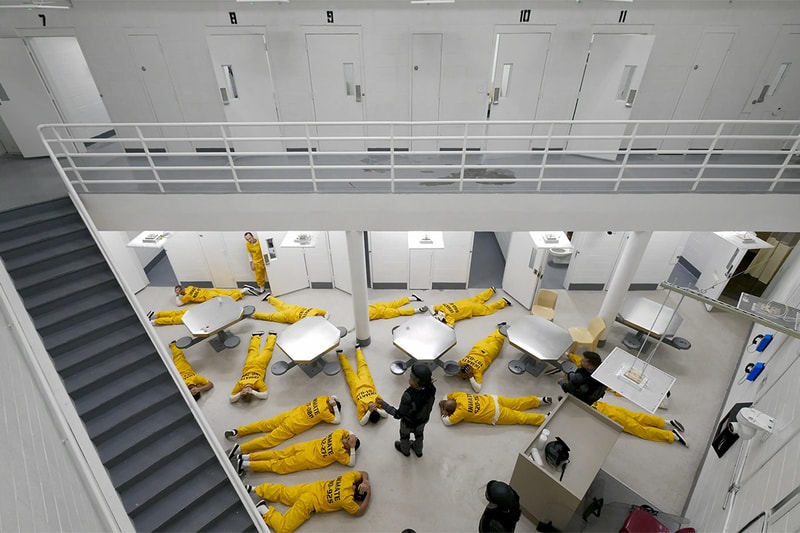
Netflix has ordered an unscripted reality series titled 'The New Stanford Prison Experiment,' set to debut on October 21. This new series aims to restage the infamous 1971 Stanford Prison Experiment for a contemporary audience, exploring the psychological dynamics of power and authority. The first season will consist of six 45-minute episodes, placing 30 volunteers into a functioning prison environment. These participants will be randomly assigned roles as either guards or prisoners, allowing the series to observe how individuals navigate and potentially conform to assigned hierarchies and power structures. The central question the series intends to probe is whether power inevitably corrupts individuals, or if inherent morality and individuality can resist the pressures of assigned roles and systemic control. The series is produced by Alfred Street Industries.
The premise directly revisits the ethical and psychological questions raised by the original Stanford Prison Experiment, conducted in 1971 by psychology professor Philip Zimbardo at Stanford University. The original study, intended to last two weeks, was controversially halted in less than a week due to the escalating abusive behavior of participants assigned as guards towards those designated as prisoners. This early termination and the subsequent analysis of the experiment's outcomes significantly influenced the development of stricter ethical safeguards for human research subjects. The legacy of the original experiment has been widely explored in various media, including books, documentaries, and scripted films, such as the 2015 movie 'The Stanford Prison Experiment,' which featured Billy Crudup as Zimbardo. The producers of the Netflix series acknowledge this fraught history, positioning it as a crucial element for contemporary examination rather than a deterrent.
The revival of this controversial study in an unscripted format seeks to offer a modern perspective on the original findings. By placing 30 volunteers in a real prison setting and observing their interactions under randomly assigned roles of authority and subservience, the series aims to generate new insights into human behavior under specific social conditions. The random assignment of roles is a critical component, designed to isolate the impact of situational factors and perceived power on individual actions and group dynamics. The series will document the participants' experiences as they adapt to the imposed system, highlighting moments of compliance, resistance, and potential ethical compromise. The narrative arc will likely focus on the evolution of these roles and the psychological effects on individuals as the experiment progresses over its six-episode run.
The decision by Netflix to produce 'The New Stanford Prison Experiment' underscores a growing trend in unscripted television to explore complex psychological and social phenomena through immersive, real-world scenarios. The series aims to engage viewers by presenting a direct, observational account of how ordinary people react when placed in extreme situations that mirror historical psychological studies. The ethical implications of such a production are also significant, given the sensitive nature of the original experiment and its documented psychological toll on participants. The series' success will likely depend on its ability to balance dramatic observation with a responsible exploration of the underlying psychological theories and ethical considerations, providing a platform for discussion on conformity, authority, and the nature of good and evil in human behavior.
Original source — read the full reporting at the publisher:
Read on HypebeastGet the weekly AI digest
AI news + new model releases, weekly. Drafted by our agents, reviewed by humans.