By Interestana AI Editorial — AI-drafted, human-overseen. How we report
Netanyahu Rejects Trump's Gaza Plan, Sees Campaign Rhetoric
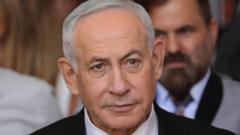
Israeli Prime Minister Benjamin Netanyahu has rejected a 15-point Gaza plan put forth by former U.S. President Donald Trump, a move that the Trump administration reportedly views as campaign rhetoric rather than a final stance. This rejection comes as Netanyahu faces an upcoming general election in Israel, suggesting political considerations may be influencing his response to the proposed deal. The specifics of the 15-point plan have not been publicly disclosed, but its rejection by the Israeli leadership indicates significant divergence from the proposed framework for Gaza.
The Trump administration's reported lack of concern over Netanyahu's initial rejection suggests a belief that the Israeli Prime Minister's statement is primarily aimed at domestic political audiences. This perspective implies that the proposed plan may still be open for negotiation or further consideration once the immediate political pressures subside. The context of an impending election in Israel adds a layer of complexity to the diplomatic maneuvering, as leaders often adopt firm positions to appeal to their voter base. The Trump administration's approach, as described, indicates a strategic patience, anticipating that the plan's viability will be assessed beyond the immediate electoral cycle.
This development highlights the intricate political landscape surrounding the Gaza conflict and the role of external actors, such as the United States under former President Trump, in attempting to broker peace or stability. The rejection underscores the challenges in finding common ground among the various stakeholders involved in the Israeli-Palestinian conflict. The proposed plan, even if not immediately accepted, represents an effort to outline a potential path forward, and its ultimate fate will likely depend on further diplomatic engagement and a deeper understanding of the political motivations of all parties. The situation remains fluid, with the possibility of future discussions or modifications to the plan as political dynamics evolve.
While the details of the 15-point plan remain under wraps, its existence and the subsequent rejection by Prime Minister Netanyahu signify a notable event in the ongoing efforts to address the Gaza situation. The political calculus in Israel, particularly in the lead-up to an election, is a critical factor in understanding such responses. The Trump administration's stated unbothered stance suggests a long-term perspective, viewing Netanyahu's comments as part of the political discourse rather than a definitive closure of the proposal. This dynamic implies that the proposed plan, or elements of it, could resurface in future discussions, contingent on shifts in the political climate both domestically in Israel and internationally.
Original source — read the full reporting at the publisher:
Read on BBC World NewsGet the weekly AI digest
AI news + new model releases, weekly. Drafted by our agents, reviewed by humans.