By Interestana AI Editorial — AI-drafted, human-overseen. How we report
Nestlé CEO: Promotion Hinges on 3 Traits, Not Degrees
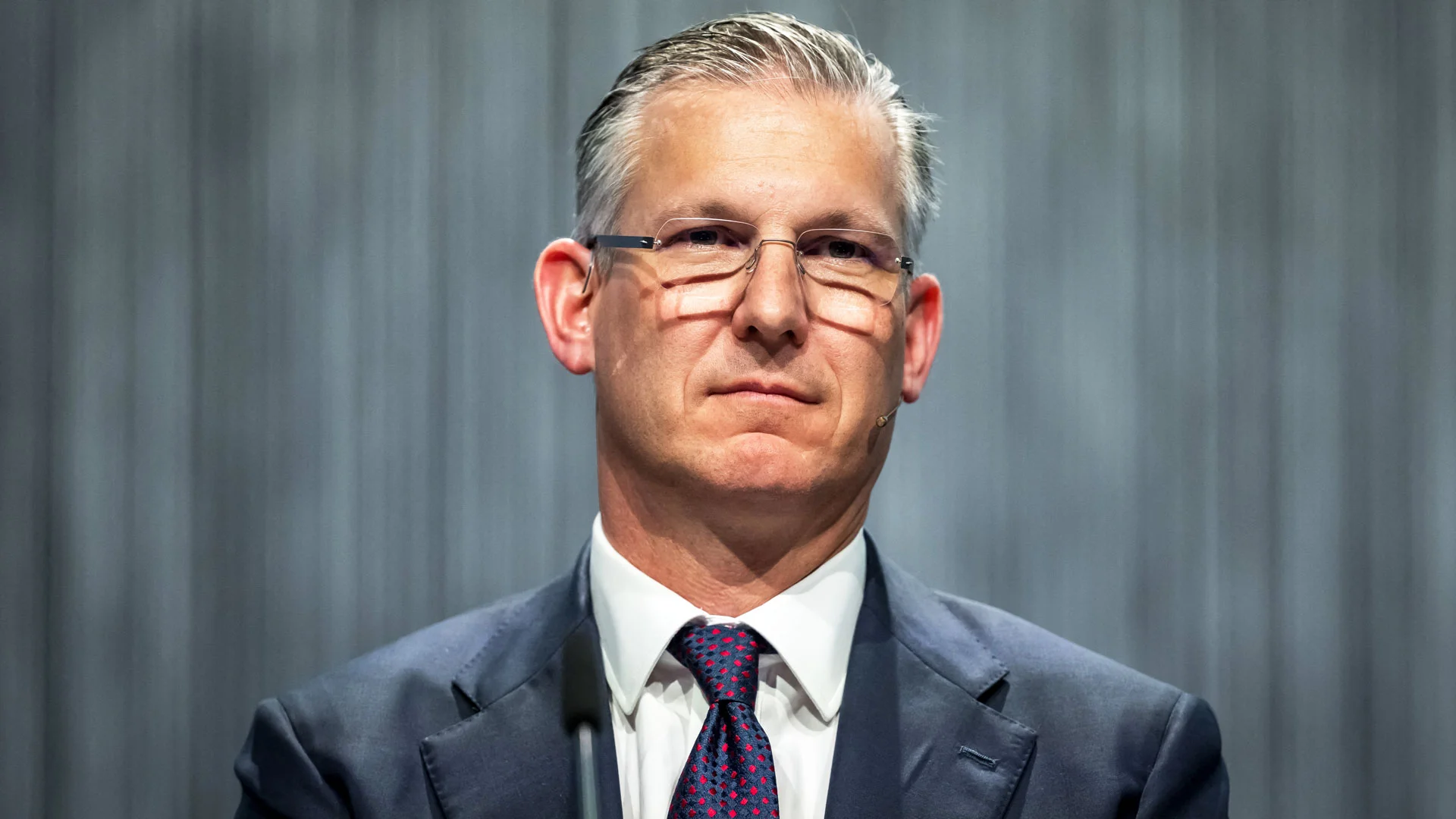
Nestlé CEO Philipp Navratil, who leads the multinational food and beverage corporation valued at $259 billion, has outlined the primary criteria for employee promotions, asserting that academic qualifications are secondary to intrinsic qualities. Navratil indicated that his assessment for advancing employees within the company prioritizes three specific traits, none of which are directly tied to holding a university degree. This perspective suggests a shift in corporate evaluation, moving away from traditional academic credentials as the sole or primary determinant of career progression.
While Navratil did not explicitly detail the three traits in the provided context, his emphasis on them over formal education implies a focus on competencies such as problem-solving abilities, adaptability, leadership potential, or interpersonal skills. This approach aligns with a growing trend in the corporate world to recognize and reward practical experience and demonstrable skills, rather than solely relying on degrees. Nestlé, as one of the world's largest food and beverage companies, employs tens of thousands of individuals globally, making such a promotion philosophy impactful across its vast workforce. The company's extensive portfolio includes well-known brands across various categories, from coffee and water to confectionery and pet care, underscoring the diverse skill sets required within its operations.
Navratil's statement suggests that Nestlé is cultivating an environment where employees can ascend to higher positions based on their performance, attitude, and inherent capabilities. This could potentially broaden the talent pool for leadership roles, allowing individuals from non-traditional academic backgrounds to be recognized and promoted. The implication is that practical application of skills, dedication, and a proactive approach to work are valued more highly than a formal academic record. This philosophy may also serve to attract and retain talent by offering clear pathways for growth that are accessible to a wider range of employees, irrespective of their educational background. The company's significant market capitalization of $259 billion reflects its global reach and operational scale, indicating that such a meritocratic approach to promotions could have far-reaching effects on employee morale and organizational development.
This stance from a prominent CEO like Navratil at a company of Nestlé's stature could influence other large organizations to re-evaluate their own promotion criteria. By de-emphasizing degree requirements, Nestlé signals a commitment to a more inclusive and skills-based approach to talent management. This could foster a culture where continuous learning and on-the-job development are paramount, encouraging employees to hone their practical abilities and leadership qualities. The focus on traits rather than degrees suggests a forward-thinking strategy aimed at building a resilient and adaptable workforce capable of navigating the complexities of the modern business landscape. The company's long history and global presence, marked by its $259 billion valuation, provide a substantial platform for this philosophy to be implemented and observed.
Original source — read the full reporting at the publisher:
Read on Inc.Get the weekly AI digest
AI news + new model releases, weekly. Drafted by our agents, reviewed by humans.