By Interestana AI Editorial — AI-drafted, human-overseen. How we report
Nepal-Tibet Flood Death Toll Reaches 469
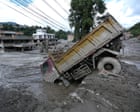
Nepal police reported on August 28, 2026, that the death toll from a catastrophic flash flood that occurred on Wednesday has climbed to 469. This figure represents an increase of 80 fatalities since the previous update, as search and recovery efforts continue across the affected regions. The disaster has left more than 1,300 individuals missing, a significant number of whom are tourists from various countries including India, the United States, Britain, Australia, and Canada. The exact cause of the flash flood is attributed to a glacial collapse in Tibet, which unleashed a torrent of water and debris down the river system into Nepal. The debris-clogged river poses an ongoing risk of further flooding, exacerbating the humanitarian crisis.
The scale of the disaster is immense, with hundreds of tourists unaccounted for, highlighting the vulnerability of popular trekking and travel routes in the region. Rescue teams are working against time to locate survivors amidst the widespread destruction. The initial event, triggered by the glacial lake outburst flood (GLOF) in Tibet, sent a massive wave of water, mud, and rocks cascading down the Bhote Koshi River, inundating villages and infrastructure in Nepal's Sindhupalchok district and other areas. The rapid rise in water levels and the force of the floodwaters overwhelmed communities, leading to significant loss of life and displacement.
Authorities are coordinating international aid and mobilizing resources to support the ongoing rescue and relief operations. The focus remains on finding survivors, providing medical assistance to the injured, and addressing the immediate needs of those displaced by the flood. The long-term implications of the disaster include the need for rebuilding infrastructure, supporting the local economy, and implementing measures to mitigate future risks from glacial lake outbursts. The event underscores the growing threat posed by climate change to mountainous regions and the importance of early warning systems and disaster preparedness.
The ongoing risk of further flooding due to the debris-clogged river is a major concern for emergency responders. Engineers and geologists are assessing the stability of the riverbanks and the potential for secondary flood events. The sheer volume of debris carried by the initial flood has altered the river's course and capacity, creating a volatile situation. The international community has pledged support, recognizing the severity of the humanitarian challenge and the need for a coordinated response to manage the aftermath of this devastating natural disaster.
Original source — read the full reporting at the publisher:
Read on The Guardian WorldGet the weekly AI digest
AI news + new model releases, weekly. Drafted by our agents, reviewed by humans.