By Interestana AI Editorial — AI-drafted, human-overseen. How we report
Nearly 1,900 U.S. Schools Near Data Centers
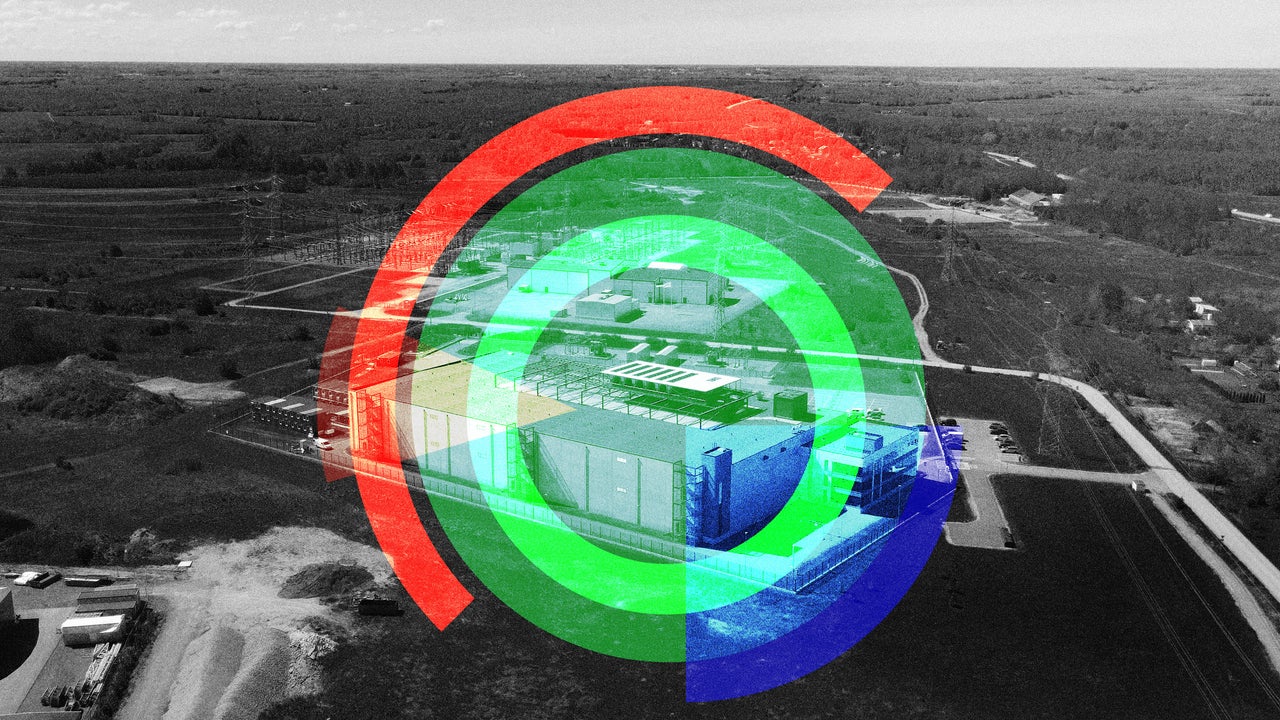
Nearly 1,900 public schools across the United States are situated within a one-mile radius of data centers, a proximity that is increasingly becoming a point of contention for local communities. Arnco-Sargent Elementary School, located approximately 50 miles south of Atlanta, exemplifies this issue, with a proposed data center campus, known as Project Sail, slated for development across the street. This project, which received rezoning approval for 832 rural acres from the Coweta County commission in April, is expected to take up to 10 years to complete. Families in the area, including Laura Beth, who chairs Citizens for Rural Coweta, are actively opposing the development due to concerns about increased traffic, noise pollution, and potential impacts on water quality. Her organization is pursuing legal action against the county and organizing a petition for a referendum to halt the project. The conflict at Arnco-Sargent Elementary is representative of a broader national trend where the rapid expansion of hyperscale data centers intersects with the daily lives of families and staff at public schools. Data centers are fundamental to modern internet reliance, supporting a wide range of activities from online work and shopping to education. The global market for artificial intelligence in education alone is projected to reach over $136 billion by 2035, according to one research firm, underscoring the escalating demand for data infrastructure. Tech companies actively seek locations that offer proximity to customers and access to essential resources like electricity and water. Dan Diorio, executive vice president of state policy and government affairs at the Data Center Coalition, highlighted the speed advantage of localized data storage, stating, "The closer data is stored to the people and systems relying on it, the faster it loads—a benefit that touches everything from healthcare to the classroom technology students and teachers use every day." However, this pursuit of efficiency is accompanied by growing concerns regarding the environmental footprint of these facilities, including their substantial energy and water consumption, and the potential for localized environmental degradation. The placement of these industrial facilities near residential areas and educational institutions prompts critical questions about urban planning, environmental justice, and the long-term sustainability of technological growth.
Original source — read the full reporting at the publisher:
Read on Fast CompanyGet the weekly AI digest
AI news + new model releases, weekly. Drafted by our agents, reviewed by humans.