By Interestana AI Editorial — AI-drafted, human-overseen. How we report
Nepal's Floods Leave 1,000 Missing, Cripple 10% of Power Capacity as Hydropower Tunnels Trap Hundreds
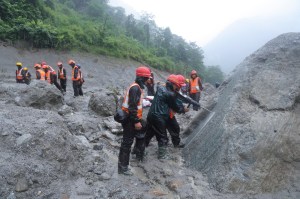
Catastrophic monsoon floods in Nepal have resulted in the disappearance of nearly 1,000 workers from a dozen hydropower projects, with hundreds believed to be trapped within the extensive tunnel systems of these facilities, according to the Independent Power Producers’ Association, Nepal. This critical infrastructure failure has also taken approximately 700 megawatts (MW) of hydropower generation offline, representing a significant blow of about 10% to Nepal's total installed power capacity. The scale of the human tragedy is further underscored by combined reports from Nepal and China, where over 900 fatalities have been confirmed, and an additional 4,700 individuals remain missing across both nations.
The disaster has severely impacted hydropower projects in some of the country's worst-hit districts, including Rasuwa, Nuwakot, and Dhading. These projects, whether already operational or still under construction, have sustained substantial damage or complete destruction. Many of the missing workers were reportedly taking shelter inside the tunnels – vast underground conduits designed to divert water and provide access to the power generation infrastructure – when the torrential rains and subsequent flash floods struck. These tunnels, described by experts as being large enough to accommodate trucks, are now precarious traps for those awaiting rescue.
The devastation extends far beyond the energy sector. Tens of kilometers of vital road networks, multiple bridges that are crucial for transportation and connectivity, and essential public buildings such as schools and health centers have also been significantly impacted or destroyed. The immediate aftermath has seen workers attempting to clear thick mud and debris from flood-ravaged power stations, including a key facility in central Nepal that serves over 20,000 people, in a race to restore electricity as swiftly as possible.
However, disaster experts, such as Jakob Steiner, a geoscientist at the University of Graz currently based in Dhaka, Bangladesh, are urging Nepalese authorities to look beyond immediate recovery. Steiner emphasizes the critical need for a fundamental reassessment of rebuilding strategies. He suggests that officials must critically evaluate the long-term viability and safety of rebuilding critical infrastructure in flood-prone areas and reconsider the approval processes for future projects in light of this devastating event. The overarching recommendation is a shift in focus from simple, like-for-like replacement towards building for resilience, ensuring that Nepal's infrastructure is reconstructed in a manner that significantly enhances its ability to withstand future natural disasters and minimizes the perpetuation of existing vulnerabilities. The long-term challenge for Nepal lies in rebuilding essential services, including power, transportation networks, and public facilities, in a way that safeguards against future environmental shocks.
Original source — read the full reporting at the publisher:
Read on FortuneGet the weekly AI digest
AI news + new model releases, weekly. Drafted by our agents, reviewed by humans.