By Interestana AI Editorial — AI-drafted, human-overseen. How we report
Near Total Lunar Eclipse Visible Across Americas Thursday
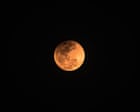
A near total lunar eclipse is scheduled to be visible across extensive regions of North and South America on Thursday night, offering millions of observers the opportunity to witness a significant celestial event. This astronomical phenomenon occurs when the Earth positions itself directly between the sun and the moon, thereby casting its shadow upon the lunar surface. During the peak of Thursday night's eclipse, an estimated 96% of the moon will be obscured by the Earth's shadow. This substantial obscuration will lend the moon a distinct reddish hue, commonly referred to as a 'blood moon.' The reddish coloration is a result of Rayleigh scattering, a process where sunlight is filtered through Earth's atmosphere. Shorter, bluer wavelengths of light are scattered away, while longer, redder wavelengths are allowed to pass through and illuminate the moon. The extent of this scattering, and thus the intensity of the red color, can vary depending on atmospheric conditions on Earth, such as the presence of dust or clouds. While the eclipse will be near total, a small sliver of the moon will remain illuminated, preventing complete darkness. The event is expected to be a notable spectacle for amateur astronomers and the general public alike, providing a clear and accessible viewing experience for a large geographical area. The visibility of the eclipse will depend on local weather conditions, with clear skies being essential for optimal viewing. The timing of the eclipse's peak will vary slightly depending on the observer's specific location within the Americas, but the overall duration of the event will be substantial enough for widespread observation. This near total lunar eclipse represents a significant astronomical occurrence in the latter half of the year, drawing attention to the predictable yet awe-inspiring movements of celestial bodies. The scientific community often uses lunar eclipses to study Earth's atmosphere and its effects on light. The precise timing and duration of the eclipse are predictable through astronomical calculations, allowing for widespread public awareness and preparation for viewing. The event serves as a reminder of the dynamic nature of our solar system and the predictable cycles that govern planetary movements. The near-total nature of the eclipse, with 96% coverage, makes it a particularly compelling event, offering a dramatic visual display of Earth's shadow. The term 'blood moon' is often associated with total lunar eclipses, but the deep reddish tint expected during this near-total event will likely evoke similar descriptions. The atmospheric scattering of sunlight is the key scientific principle behind the moon's altered appearance during an eclipse. This phenomenon is a recurring aspect of celestial mechanics, but each eclipse offers a unique viewing experience influenced by atmospheric conditions. The widespread visibility across two continents underscores the scale of this astronomical event. Millions of people are expected to turn their attention to the night sky to witness this natural wonder. The event is a prime example of accessible astronomy, requiring no special equipment beyond clear skies and a vantage point. The scientific community continues to leverage such events for research, but their primary impact is often the inspiration and education they provide to the public about space and our place within it. The near-total lunar eclipse is a testament to the predictable and observable nature of celestial mechanics.
Original source — read the full reporting at the publisher:
Read on The Guardian WorldGet the weekly AI digest
AI news + new model releases, weekly. Drafted by our agents, reviewed by humans.