By Interestana AI Editorial — AI-drafted, human-overseen. How we report
Royal Navy Increases Russian Vessel Monitoring by 25%
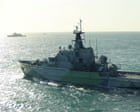
The Royal Navy has reported a significant increase in its monitoring activities of Russian vessels in and around the United Kingdom's waters. In July, naval operations dedicated to shadowing Moscow's ships amounted to 21 days, representing a 25% rise in time spent on these patrols when compared to the same period in the previous year. These extensive monitoring efforts involved warships undertaking repeated voyages through strategically important maritime routes, specifically the Strait of Dover and the North Sea. This heightened surveillance underscores a perceived increase in Russian naval activity in proximity to UK territorial waters and key shipping lanes. The Royal Navy's statement serves as a warning regarding this escalating presence and the corresponding need for sustained vigilance. The Strait of Dover is one of the world's busiest shipping lanes, making its security and monitoring of vessel traffic a critical national interest. Similarly, the North Sea is a vital area for energy resources and trade, necessitating close observation of any military movements. The increase in monitoring days directly correlates with the operational tempo and resource allocation by the Royal Navy to address perceived threats or unusual patterns of behaviour by foreign naval assets. This proactive stance by the UK's naval forces aims to maintain maritime security and deter potential aggression or espionage. The 25% increase is a quantifiable measure of the enhanced operational focus on Russian naval movements, indicating a shift in strategic priorities or a direct response to observed changes in Russian fleet deployments. The duration of 21 days spent actively shadowing vessels highlights the sustained nature of this increased surveillance. The Royal Navy's commitment to transparency in reporting such operational metrics provides insight into the evolving geopolitical landscape and the challenges faced in maintaining national security in the maritime domain. This development is part of a broader trend of increased military posturing and surveillance by various nations, particularly in strategically sensitive regions like the North Atlantic and the Baltic Sea, where Russia's naval activities have been a subject of international attention. The specific mention of the Strait of Dover and the North Sea points to the areas of greatest concern for the Royal Navy in terms of Russian naval ingress or transit. The sustained presence and monitoring are crucial for gathering intelligence, understanding operational capabilities, and ensuring freedom of navigation for allied and commercial shipping. The increase in monitoring time suggests that the Royal Navy is dedicating more resources, including personnel and vessels, to these specific tasks, reflecting a strategic decision to prioritize this aspect of maritime defence and intelligence gathering. The implications of this increased monitoring extend to diplomatic and defence policy, as it signals a heightened awareness and response to potential Russian assertiveness in waters considered vital to UK security and economic interests. The 25% rise is a concrete indicator of the operational adjustments being made by the Royal Navy in response to the current security environment.
Original source — read the full reporting at the publisher:
Read on The Guardian WorldGet the weekly AI digest
AI news + new model releases, weekly. Drafted by our agents, reviewed by humans.