By Interestana AI Editorial — AI-drafted, human-overseen. How we report
Nature's Extraordinary Stories Revealed Through Close Observation
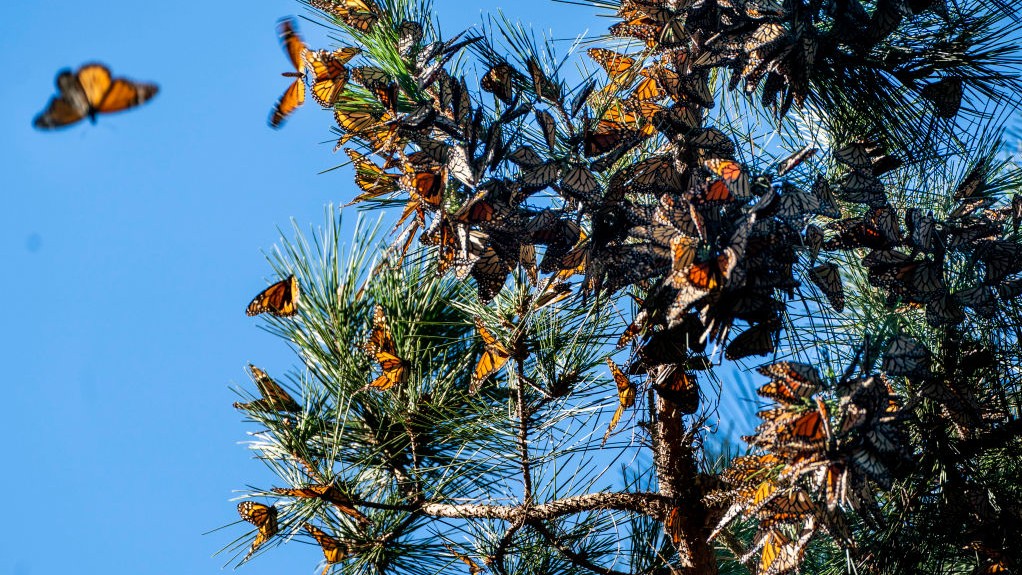
The natural world, often overlooked in its everyday manifestations, holds a wealth of extraordinary stories that become apparent upon closer examination. This perspective shift encourages a deeper appreciation for the intricate details and complex processes that define ecosystems and individual organisms. By dedicating time to observe phenomena that might otherwise be dismissed as commonplace, one can uncover remarkable adaptations, survival strategies, and interdependencies that contribute to the planet's biodiversity.
For instance, the seemingly simple act of observing a plant's growth can reveal sophisticated mechanisms for nutrient absorption, light capture, and defense against herbivores. The way a leaf unfurls, the precise angle of its stem, and the subtle changes in its coloration all tell a story of adaptation to its environment. Similarly, observing insect behavior, such as the coordinated efforts of an ant colony or the intricate web-building of a spider, showcases complex social structures and engineering prowess that rival human endeavors. These observations highlight the evolutionary pressures that have shaped life over millennia, resulting in the diverse and often surprising forms and functions seen today.
The concept extends beyond individual species to entire ecosystems. Understanding the delicate balance within a forest, a coral reef, or a desert landscape requires observing the interactions between various components. The role of decomposers in nutrient cycling, the symbiotic relationships between different species, and the impact of environmental changes like rainfall or temperature fluctuations all contribute to the narrative of a living system. These stories are not static; they are dynamic and constantly evolving, influenced by both natural cycles and external factors, including human activity. Recognizing these ongoing processes fosters a greater understanding of ecological principles and the importance of conservation efforts.
Ultimately, the pursuit of nature's extraordinary stories through close observation is an invitation to engage with the world on a more profound level. It cultivates curiosity, patience, and a sense of wonder, transforming mundane experiences into opportunities for discovery. This approach not only enriches personal understanding but also underscores the critical need to protect the natural environments that harbor these incredible narratives, ensuring they can continue to unfold for future generations. The richness of these stories lies in their detail, their complexity, and their fundamental connection to the processes that sustain life on Earth.
Original source — read the full reporting at the publisher:
Read on The AtlanticGet the weekly AI digest
AI news + new model releases, weekly. Drafted by our agents, reviewed by humans.