By Interestana AI Editorial — AI-drafted, human-overseen. How we report
Restored Wetland Becomes UK's Top Spot for Rare Grebe
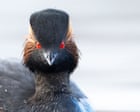
Woolston Eyes, a former dumping ground for dredgings from the Manchester Ship Canal located in Warrington, Cheshire, has undergone a significant transformation and is now recognized as the United Kingdom's most important site for the rare black-necked grebe. This restored wetland now hosts an impressive 64% of Britain's entire breeding population of this species. The transformation of Woolston Eyes began in 2021, initiated by the RSPB (Royal Society for the Protection of Birds) and the Woolston Eyes Conservation Group. Their extensive restoration efforts involved extending the site and reconfiguring it into a diverse mosaic of freshwater pools, dense reedbeds, willow scrub, and areas of rough grassland. This varied habitat structure is crucial for supporting a wide range of wildlife, particularly the specific needs of the black-necked grebe. The black-necked grebe (Podiceps nigricollis) is a small water bird known for its distinctive breeding plumage, which includes a black neck and head with chestnut-colored flanks. Historically, the species has faced challenges in finding suitable breeding grounds, making the success of Woolston Eyes particularly noteworthy. The site's previous state as a repository for canal dredgings highlights the dramatic ecological recovery achieved through dedicated conservation work. The RSPB, a leading nature conservation charity in the UK, works on over 200 nature reserves across the country, protecting birds and other wildlife. The Woolston Eyes Conservation Group is a local organization dedicated to the management and preservation of the Woolston Eyes site. Their collaborative efforts have created an environment where a species once struggling for habitat can now flourish. The success at Woolston Eyes serves as a powerful example of how targeted habitat restoration can lead to significant conservation outcomes, demonstrating that nature can thrive when provided with the right conditions and opportunities. The ongoing management of the site by these organizations will be key to maintaining this vital breeding population and potentially attracting other rare species. The ecological health of the wetland is monitored to ensure its continued suitability for the black-necked grebe and the broader biodiversity it now supports. This project underscores the importance of reclaiming and revitalizing industrial or derelict land for conservation purposes, turning ecological liabilities into significant natural assets.
Original source — read the full reporting at the publisher:
Read on The Guardian WorldGet the weekly AI digest
AI news + new model releases, weekly. Drafted by our agents, reviewed by humans.