By Interestana AI Editorial — AI-drafted, human-overseen. How we report
NATO Lacks Clear Plan for Russia-China Attack
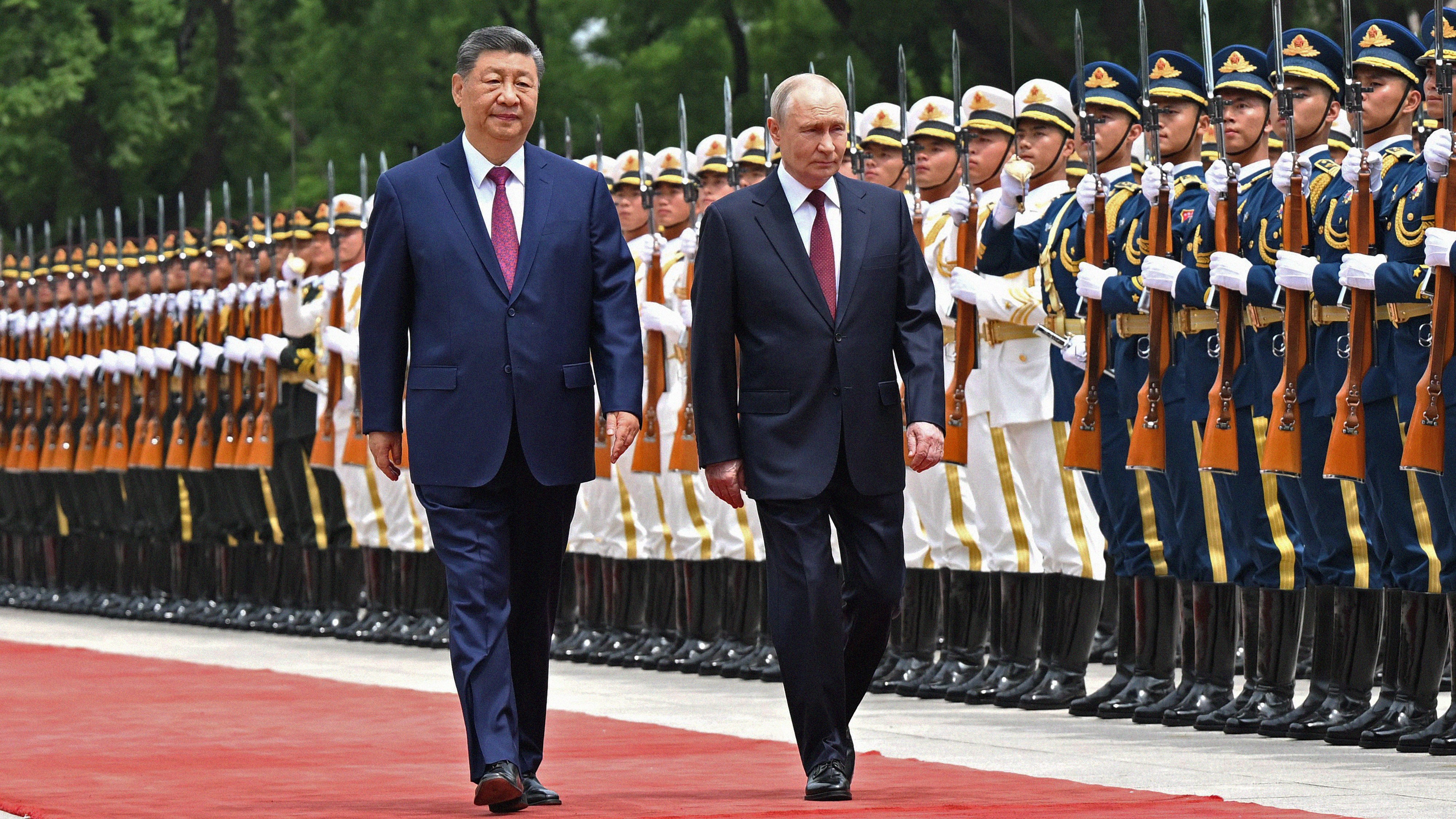
The United States and its European allies currently lack a cohesive and actionable plan to address a potential coordinated military offensive launched by both Russia and China. This strategic deficiency poses a significant vulnerability, as NATO's preparedness for such a complex, multi-front threat remains underdeveloped. The absence of a clear joint strategy suggests that the alliance has not adequately anticipated or prepared for the geopolitical implications of an increasingly assertive Russia and a rapidly modernizing China acting in concert.
The report highlights that while NATO has historically focused on threats emanating from Russia, the prospect of a simultaneous attack involving China introduces a new and more formidable dimension to defense planning. This dual threat scenario necessitates a fundamental re-evaluation of military doctrines, resource allocation, and command structures within the alliance. Without a unified approach, individual member states might be compelled to respond independently, potentially leading to a fragmented and less effective defense against a well-coordinated adversary. The complexity of managing responses across multiple theaters and against distinct but allied adversaries requires a level of strategic integration that appears to be currently missing.
Furthermore, the report implies that the current geopolitical landscape, characterized by rising tensions and shifting global power dynamics, demands a more proactive and integrated defense posture. The potential for Russia and China to leverage their combined military, economic, and technological capabilities in a synchronized attack scenario underscores the urgency for NATO to develop robust contingency plans. This includes not only military preparedness but also diplomatic and economic strategies to deter such aggression and mitigate its consequences. The lack of a defined plan leaves a critical gap in the alliance's security architecture, potentially emboldening adversaries and undermining collective security.
The implications of this strategic gap extend beyond military readiness. It also raises questions about the effectiveness of NATO's deterrence capabilities. If potential adversaries perceive a lack of unified resolve or a clear response mechanism, they may be more inclined to test the alliance's boundaries. Addressing this requires not only internal strategic development within NATO but also clear communication of the alliance's commitment to collective defense and its readiness to act decisively. The current situation suggests a need for urgent dialogue and collaborative planning among member states to bridge this critical strategic deficit and ensure the security of the transatlantic alliance in an increasingly unpredictable world.
Original source — read the full reporting at the publisher:
Read on The AtlanticGet the weekly AI digest
AI news + new model releases, weekly. Drafted by our agents, reviewed by humans.