NATO Allies Agree to $50 Billion in Defense Deals
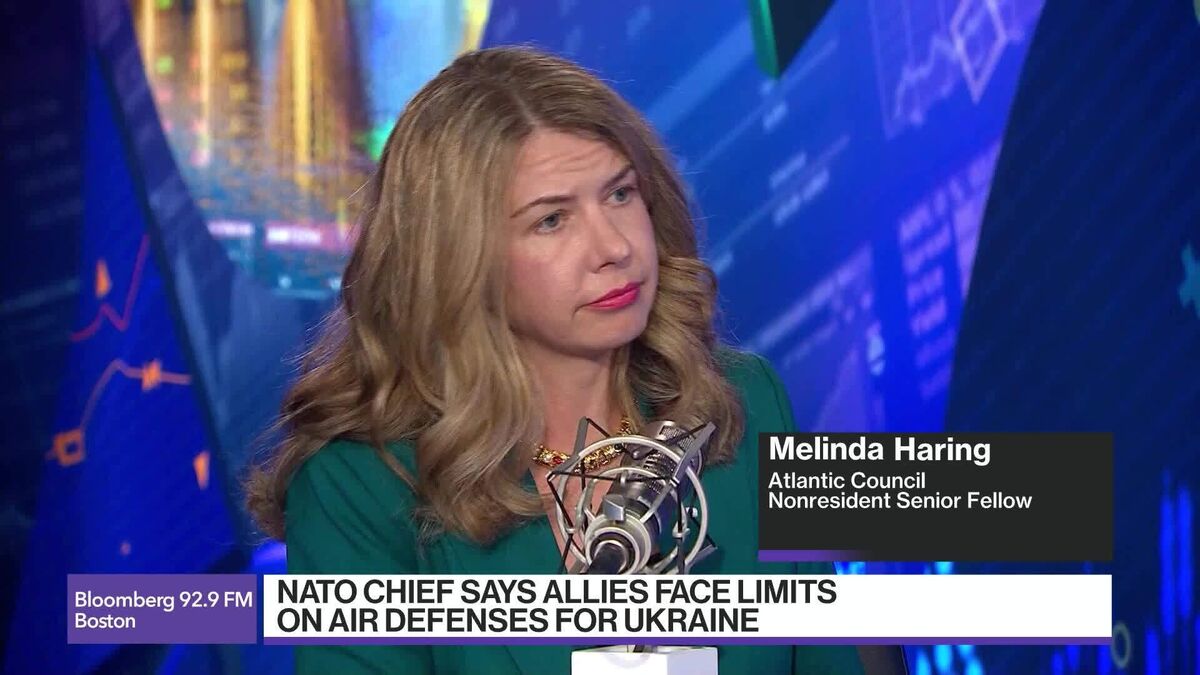
NATO allies have agreed to at least $50 billion in defense industry deals, a move intended to demonstrate to US President Donald Trump that Europe is responding to his calls for increased defense spending. This development was discussed by Melinda Haring, a nonresident senior fellow at the Atlantic Council, on Balance of Power. Haring also commented on the ongoing war in Ukraine, suggesting that Ukraine's strategy to pressure Russian President Vladimir Putin into negotiations is proving effective.
The commitment to new defense deals signifies a significant financial undertaking by NATO members, aiming to bolster both collective security and individual national defense capabilities. The specific breakdown of these deals and the participating nations were not detailed in the initial report, but the overall figure of $50 billion underscores a substantial increase in defense investment. This collective action is seen as a direct response to persistent concerns raised by the United States regarding burden-sharing within the alliance.
Haring's analysis of the situation in Ukraine suggests a strategic success for Kyiv. By employing tactics designed to wear down Russian resolve, Ukraine is reportedly moving closer to achieving its objective of bringing President Putin to the negotiating table. The effectiveness of this strategy is a critical factor in the broader geopolitical landscape and influences the security calculus of European nations, further motivating defense spending.
The broader implications of these defense deals extend beyond immediate security concerns. They are expected to stimulate growth within the defense industry, potentially leading to job creation and technological advancements. For the United States, this represents a tangible outcome of its long-standing advocacy for greater defense contributions from its allies, potentially easing tensions and reinforcing transatlantic security partnerships.
Original source — read the full reporting at the publisher:
Read on Bloomberg Markets