By Interestana AI Editorial — AI-drafted, human-overseen. How we report
IBM AI Model Aids NASA's 2028 Moon Return Plans
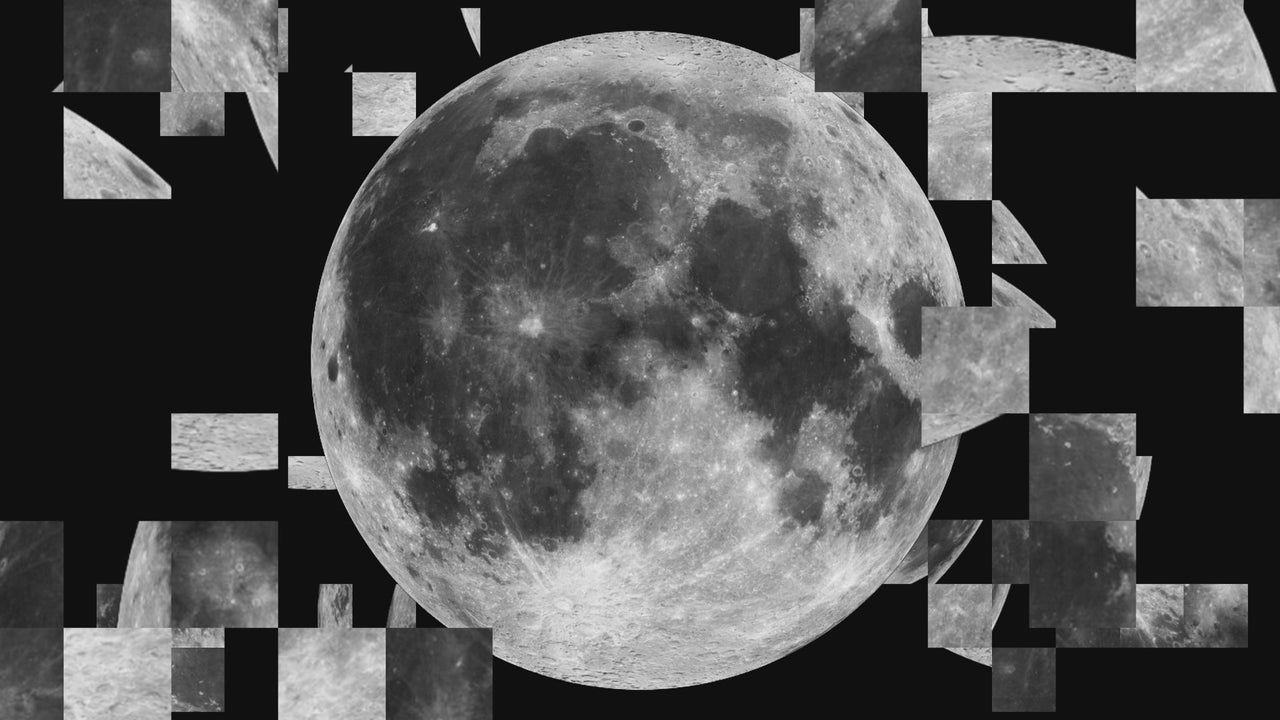
IBM announced the open-source release of the NASA-IBM Lunar Foundation Model on Thursday, a tool designed to assist scientists in analyzing decades of lunar data to prepare for NASA's planned return of humans to the Moon. This new model aims to provide actionable insights by processing information from numerous instruments that have monitored the Moon's surface over many years. The primary goal is to help researchers understand changes on the lunar surface, thereby enhancing preparations for future missions. Specifically, the tool is intended to help astronauts navigate the Moon more safely, identify potential resources like ice deposits, and recognize geological features that could pose hazards. The last human presence on the Moon was during the Apollo 17 mission in December 1972, but NASA's Artemis Program is targeting a crewed lunar landing for 2028. Juan Bernabe-Moreno, Director of IBM Research Europe, UK and Ireland, stated that the NASA-IBM Lunar Foundation Model provides a "foundation to explore the Moon at scale, connecting observations across instruments, revealing patterns that are difficult to see in isolation, and providing an open platform the global research community can build on." The open-source nature of this model is considered crucial, as it grants scientists and researchers access to advanced AI systems to expedite progress in lunar exploration. This approach allows researchers to collaborate using a shared model and platform, accelerating discoveries rather than requiring the development of individual systems for each project. NASA has accumulated extensive data over decades of lunar observation, and this AI model offers a way to synthesize and interpret this vast repository of information more effectively. The model's capabilities extend to identifying anomalies, mapping terrain, and potentially predicting environmental conditions relevant to astronaut safety and mission success. By democratizing access to sophisticated AI tools for lunar science, IBM and NASA aim to foster a more collaborative and efficient approach to space exploration. The development signifies a significant step in leveraging artificial intelligence for complex scientific endeavors, moving beyond traditional data analysis methods to unlock deeper understanding of celestial bodies. The model's architecture is built to handle diverse data types, including imagery, sensor readings, and topographical data, enabling a holistic analysis of the lunar environment. This initiative underscores the growing role of AI in scientific research and exploration, particularly in fields requiring the processing of massive datasets and the identification of subtle patterns. The collaboration between IBM and NASA highlights a trend of public-private partnerships driving innovation in space technology and scientific discovery.
Original source — read the full reporting at the publisher:
Read on Fast CompanyGet the weekly AI digest
AI news + new model releases, weekly. Drafted by our agents, reviewed by humans.