By Interestana AI Editorial — AI-drafted, human-overseen. How we report
NASA Faces Dilemma Over Commercial Space Economy
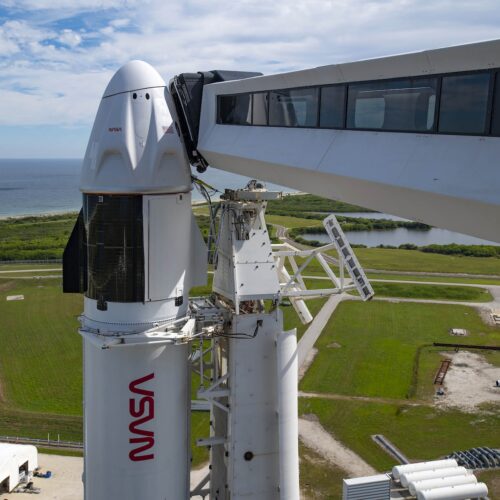
For two decades, NASA has actively pursued the development of a commercial space economy in low-Earth orbit, primarily to support the International Space Station. This initiative began approximately twenty years ago with a program aimed at developing private spacecraft for cargo delivery. The stated goal was to "stimulate efforts within the private sector to develop and operate safe, reliable, and cost-effective commercial space transportation systems." Over time, NASA's vision expanded beyond mere transportation to encompass the creation of a comprehensive commercial ecosystem in orbit. This ecosystem includes services such as space stations, in-space manufacturing, and space tourism, positioning NASA as one of many customers within this burgeoning market.
In April 2024, NASA reiterated its commitment to this strategy, articulating its philosophy in a public statement. The agency declared, "NASA supports a robust commercial space economy that advances American industry and promotes technological discovery through in-space work and research. NASA remains committed to fostering innovation and collaboration within the American space industry." This statement underscores NASA's ongoing dedication to nurturing private sector involvement and technological advancement in space.
However, the agency is now confronting a significant challenge, referred to as a "Dragon dilemma," for which there appear to be no easy answers. While the specifics of this dilemma are not detailed in the provided text, it implies a complex problem arising from the very success and evolution of the commercial space economy that NASA has worked to cultivate. This could involve issues related to market saturation, the sustainability of commercial ventures, regulatory challenges, or the evolving needs of NASA itself as it transitions away from the International Space Station. The dilemma suggests that the current trajectory or structure of the commercial space economy presents a difficult choice or a set of interconnected problems that NASA must address.
The long-term implications of this "Dragon dilemma" are significant for NASA's future space exploration and utilization strategies. The agency's sustained investment and policy support have been instrumental in the growth of private space companies. As these companies mature and the market evolves, NASA must navigate the complexities of its role, balancing its own objectives with the dynamics of a self-sustaining commercial sector. The lack of apparent "good answers" indicates that the agency is facing a critical juncture in its strategy for low-Earth orbit, requiring innovative solutions to ensure the continued success and alignment of its goals with the commercial space industry.
Original source — read the full reporting at the publisher:
Read on Ars TechnicaGet the weekly AI digest
AI news + new model releases, weekly. Drafted by our agents, reviewed by humans.