By Interestana AI Editorial — AI-drafted, human-overseen. How we report
NASA Administrator Seeks "Good Deals" in Lunar Partnerships
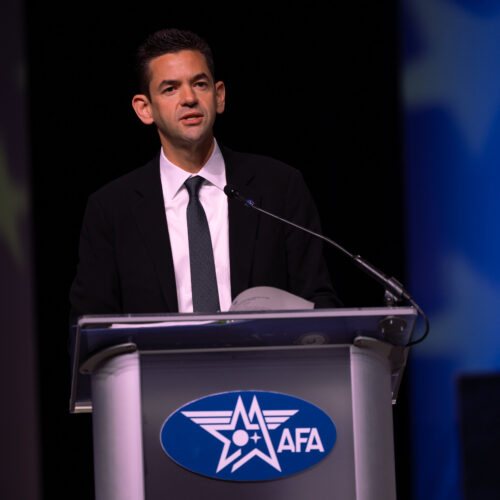
NASA Administrator Bill Nelson stated that the agency must be more discerning when establishing international partnerships, particularly as the competition to establish a presence on the Moon evolves beyond national prestige into a strategic pursuit of extraterrestrial real estate and resources. Nelson, who has led NASA for approximately ten months, conveyed this perspective to an audience of military leaders and defense contractors during an event held near Washington, D.C. last week. He characterized the 21st-century lunar endeavors not merely as a contest of ideologies but as a high-stakes competition with tangible implications for resource acquisition and territorial claims.
Nelson highlighted the significance of the lunar south pole as an optimal location for a potential Moon base. This region is believed to contain substantial quantities of water ice, concentrated within the permanently shadowed floors of craters. The accessibility of this water ice is a critical factor, as it could be harnessed to provide essential resources such as water and breathable air for a lunar settlement. Furthermore, the water ice can be processed to produce rocket fuel, thereby enabling a sustained human presence on the Moon and serving as a crucial staging point for future crewed missions to Mars. The strategic importance of securing access to these resources underscores the need for carefully considered international collaborations.
The administrator's remarks signal a shift in NASA's approach to international cooperation, moving towards a more transactional and benefit-driven model. This strategic recalibration is influenced by the escalating global interest in lunar exploration and the potential economic and scientific advantages associated with lunar resources. The agency is likely to prioritize partnerships that offer clear advantages, such as technological contributions, cost-sharing, or access to unique scientific data, while ensuring that U.S. interests are robustly protected. The focus on "good deals" suggests a pragmatic approach to resource allocation and risk management in the complex and expensive undertaking of lunar exploration and settlement.
This strategic emphasis on beneficial partnerships is particularly relevant in the context of the renewed global space race, which includes nations like China also expressing ambitions for lunar bases and resource utilization. By seeking advantageous agreements, NASA aims to maximize its return on investment and maintain its leadership in space exploration. The administrator's directive implies a rigorous evaluation process for potential collaborators, with an emphasis on mutual benefit and alignment with NASA's long-term objectives for lunar and interplanetary exploration. The pursuit of extraterrestrial real estate and resources necessitates a coordinated and strategic approach to international engagement.
Original source — read the full reporting at the publisher:
Read on Ars TechnicaGet the weekly AI digest
AI news + new model releases, weekly. Drafted by our agents, reviewed by humans.