By Interestana AI Editorial — AI-drafted, human-overseen. How we report
Nandy Calls Farage Master of Conspiracy Theory
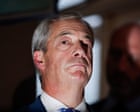
Culture Secretary Lisa Nandy has labelled Reform UK leader Nigel Farage a “master of the conspiracy theory” following his remarks that attempted to connect the arrests at RAF Fairford to small boat crossings. Farage had stated he had been warning for months about "Iranian agents" entering the UK via the Channel in small boats, in response to the arrests of men on Sunday. The Guardian reported on September 28, 2026, that Nandy's criticism specifically targeted Farage's attempt to link these events, suggesting a pattern of conspiratorial thinking. This exchange highlights ongoing political tensions surrounding immigration and national security in the United Kingdom.
Nandy's statement underscores a broader political debate about the rhetoric used by certain politicians concerning immigration and its perceived links to security threats. The arrests at RAF Fairford, a Royal Air Force base in Gloucestershire, involved counter-terrorism police and led to the detention of several individuals. While the specifics of the investigation remain under wraps due to national security protocols, Farage's immediate public commentary sought to draw a direct line between these arrests and the ongoing issue of irregular migration across the English Channel. This approach has been met with strong disapproval from government figures like Nandy, who argue that such statements are not based on evidence and serve to promote unfounded theories.
The Reform UK party, formerly the Brexit Party, has frequently focused its political messaging on immigration and border control. Nigel Farage, a prominent figure in the UK's populist movement, has consistently used strong language to describe the challenges associated with illegal immigration. His comments regarding the RAF Fairford incident are consistent with his established political platform, which often emphasizes perceived threats to national security stemming from uncontrolled borders. However, Nandy's critique suggests that such pronouncements are crossing a line into unsubstantiated conspiracy theories, potentially inflaming public opinion without factual basis.
The incident at RAF Fairford and the subsequent political commentary reflect the sensitive nature of national security and immigration issues in contemporary British politics. Counter-terrorism investigations are typically handled with discretion to avoid compromising ongoing operations or public safety. When political figures preemptively draw conclusions or link unrelated events, it can complicate these investigations and contribute to a climate of misinformation. Nandy's intervention serves as a direct challenge to Farage's narrative, positioning the government as a voice of reason against what it perceives as dangerous speculation. The debate is likely to continue as the full details of the RAF Fairford investigation emerge, and as political parties vie for public attention on critical national issues.
Original source — read the full reporting at the publisher:
Read on The Guardian WorldGet the weekly AI digest
AI news + new model releases, weekly. Drafted by our agents, reviewed by humans.