By Interestana AI Editorial — AI-drafted, human-overseen. How we report
Naked Mole-Rat Queens Use Chemical Signals to Suppress Rivals
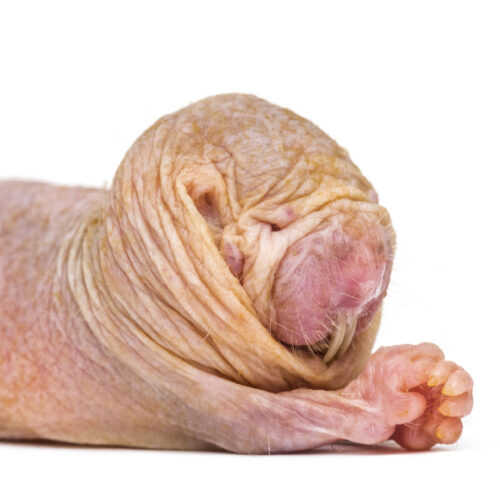
Naked mole-rat queens suppress the fertility of rival females through a sophisticated olfactory signaling program, researchers at the Max Delbrück Center for Molecular Medicine in Berlin have discovered. This finding challenges the long-held hypothesis that bullying and violence were the primary mechanisms for maintaining the queen's reproductive monopoly within the colony. The study, led by neurobiologist Gary Lewin, highlights the critical role of smell in the social structure of these subterranean rodents.
Naked mole rats possess an exceptionally developed sense of smell, evidenced by their approximately 1200 olfactory receptor genes, which significantly surpasses that of mice and humans. This enhanced olfactory capability is crucial for their survival and social interactions, particularly given their blindness. The researchers found that the queen utilizes specific chemical signals, detected through smell, to inhibit the reproductive capacity of other females in the colony. This mechanism allows for a single queen to be the sole breeder in colonies that can exceed one hundred individuals.
The research indicates that while physical dominance might play a minor role, the primary method of reproductive control is chemical communication. This complex signaling system allows the queen to manage the colony's reproduction efficiently, even across the extensive tunnel networks that can span up to three kilometers. The discovery sheds new light on the eusocial behavior of naked mole rats, drawing parallels to the intricate social organization seen in insects like ants and bees, but with a unique reliance on chemical cues.
Original source — read the full reporting at the publisher:
Read on Ars TechnicaGet the weekly AI digest
AI news + new model releases, weekly. Drafted by our agents, reviewed by humans.