By Interestana AI Editorial — AI-drafted, human-overseen. How we report
Nadja: 1994 Vampire Film Reviewed
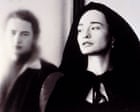
Michael Almereyda's 1994 horror romance film, "Nadja," is presented as a notable indie gem, particularly suited for midnight screenings. The film is characterized by its lo-fi aesthetic, featuring indistinct monochrome cinematography, dreamlike transitions, and prominent close-ups reminiscent of early cinema. Its production was supported by David Lynch, who also makes a cameo appearance as a morgue attendant. The narrative centers on the recently deceased Dracula, whose spirit persists through his daughter, Nadja, portrayed by Romanian actor Elina Löwensohn. Löwensohn's performance is highlighted for its hauteur and predatory sexuality. The film touches upon themes related to the Ceausescu family and the Romanian Revolution of 1989, with Nadja's full family name humorously debated between "Ceausescu-Dracula" and "Ionescu-Dracula," the latter suggested by her ailing brother Edgar, played by Jared Harris. The review draws a parallel between Dracula's end and that of Elvis Presley, suggesting a decline into merely going through the motions. The film's lo-fi approach and thematic elements contribute to its status as a unique and captivating piece within the horror genre. The reviewer also reiterates a previous suggestion for Romanian director Radu Jude to create a biopic of the late Romanian dictator, Nicolae Ceaușescu, linking it to the film's allusions to Romanian history and the Ceausescu name. The film's visual style, described as dreamlike and utilizing looming closeups, further enhances its atmospheric quality. The executive production by David Lynch, a filmmaker known for his distinctive surreal and often dark cinematic style, likely contributed to "Nadja's" unique artistic direction and its cult following. The presence of Lynch as a morgue attendant adds another layer of intrigue, connecting the film to his own body of work and the broader independent film scene of the 1990s. The exploration of vampiric lineage and the continuation of a dark legacy are central to the film's plot, with Nadja embodying the seductive and dangerous nature of her lineage. The film's dialogue, which includes the familial name dispute, injects a dose of dark humor into the proceedings, contrasting with the more serious themes of predatory sexuality and the lingering presence of the undead. "Nadja" stands out for its artistic ambition and its ability to create a compelling atmosphere with limited resources, a hallmark of successful independent cinema.
Original source — read the full reporting at the publisher:
Read on The Guardian CultureGet the weekly AI digest
AI news + new model releases, weekly. Drafted by our agents, reviewed by humans.