By Interestana AI Editorial — AI-drafted, human-overseen. How we report
Kenyan Elephant Deaths Linked to Pesticides, Experts Skeptical
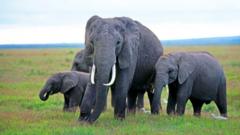
Dozens of elephants have died in Kenya in recent weeks, with initial reports suggesting that pesticide poisoning is the cause. However, wildlife experts and conservationists have voiced skepticism regarding this conclusion, urging for more thorough investigations into the mortality events. The Kenya Wildlife Service (KWS) has initiated investigations into the deaths, which have occurred across various regions of the country, including Tsavo East National Park and the Amboseli ecosystem. Initial findings from some of these investigations have pointed towards the consumption of contaminated water or vegetation treated with agricultural chemicals. The specific pesticides implicated have not been officially named, but concerns are high given the proximity of elephant habitats to agricultural lands where these chemicals are commonly used. The BBC has reported that while the theory of pesticide poisoning is being explored, some experts believe other factors may be at play, or that the poisoning might be a secondary effect of other underlying issues. These experts suggest that diseases, lack of adequate water sources due to drought conditions, or even deliberate poisoning for ivory or bushmeat could be contributing factors. The scale of the deaths, while concerning, has not yet reached the levels seen during severe droughts or disease outbreaks in the past, but the pattern and speed of mortality have raised alarm bells. Conservation organizations are calling for transparency in the investigation process and for swift action to mitigate any identified threats. They emphasize the importance of understanding the precise cause to implement effective conservation strategies and prevent future losses of these iconic animals. The elephant population in Kenya is a vital part of the country's biodiversity and a significant draw for tourism, making their well-being a matter of national and international importance. The KWS has stated that post-mortem examinations are being conducted, and tissue samples are being sent for laboratory analysis to confirm or refute the presence of specific toxins. The results of these tests are expected to provide more definitive answers regarding the cause of death. In the interim, authorities are reportedly advising communities living near wildlife areas to be cautious about the use of pesticides and to report any unusual wildlife behavior or deaths immediately. The situation highlights the ongoing challenges of human-wildlife conflict and the need for sustainable agricultural practices that minimize environmental impact. The lack of definitive evidence and the differing opinions among experts underscore the complexity of investigating wildlife mortality events, especially when multiple potential stressors are present in the environment. Further updates are anticipated as the investigations progress and laboratory results become available, which are crucial for understanding and addressing the mysterious elephant deaths in Kenya.
Original source — read the full reporting at the publisher:
Read on BBC World NewsGet the weekly AI digest
AI news + new model releases, weekly. Drafted by our agents, reviewed by humans.