By Interestana AI Editorial — AI-drafted, human-overseen. How we report
Teen T-Boned Car, Questioning Medicare's Role in Hospital Bills
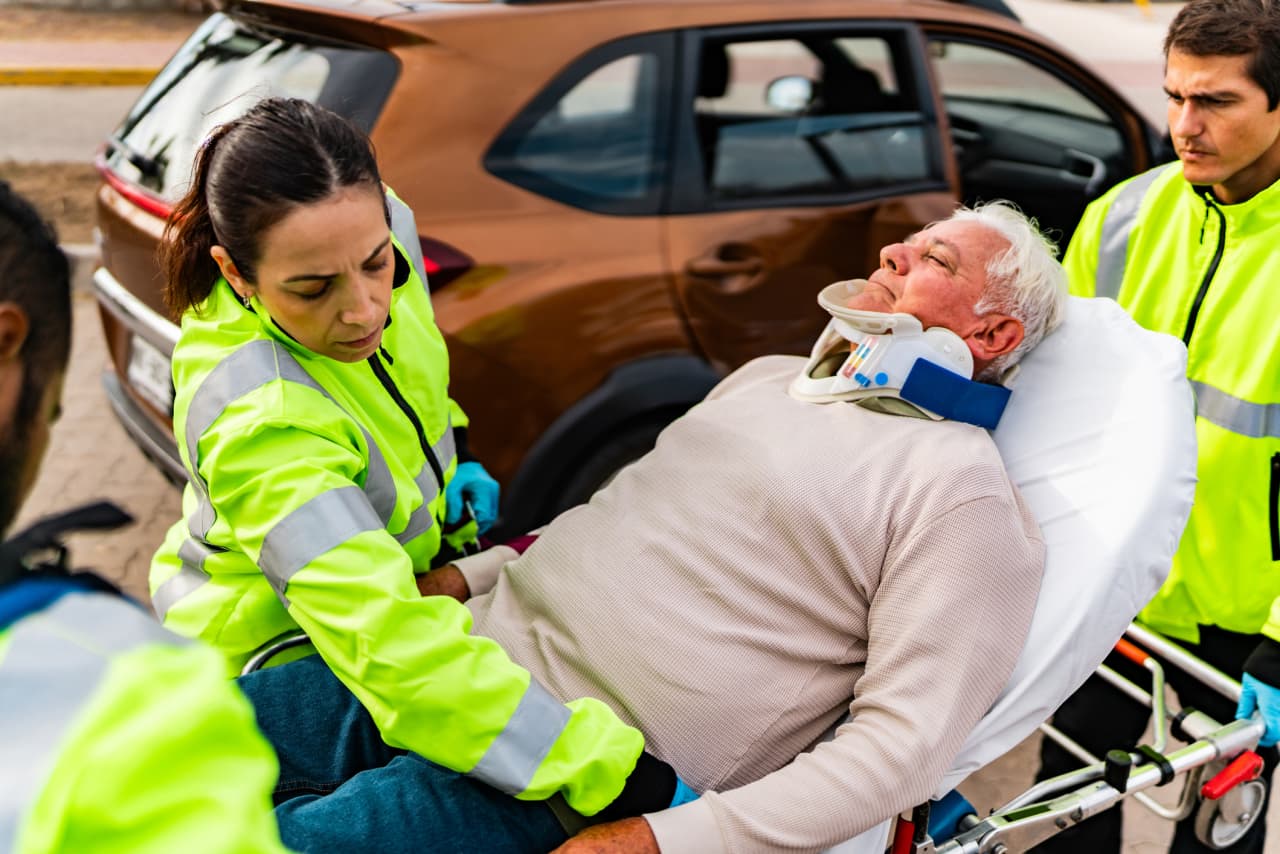
A recent car accident involving a teenager has brought to light complex questions regarding insurance coverage and the potential role of Medicare in paying for hospital bills. The incident occurred when a teenage driver, reportedly T-boning the author's vehicle, caused significant damage and necessitated medical attention. The author, who was driving a car nearly 20 years old, stated that their insurance policy only included liability and uninsured motorist coverage, explicitly excluding collision coverage. This lack of collision coverage means the author's own insurance will not pay for the repairs to their vehicle.
The central issue now revolves around the financial responsibility for the hospital bills incurred as a result of the accident. The author is seeking clarity on whether Medicare, the federal health insurance program primarily for people aged 65 or older, will be obligated to cover these medical expenses. Typically, Medicare coverage is secondary to other forms of insurance, such as auto insurance, when those policies are primary for the injury. However, the specifics of the accident, the extent of the teenager's insurance coverage, and the nature of the injuries sustained will likely determine how these costs are allocated.
This situation highlights a common concern for individuals involved in car accidents, particularly when the at-fault party's insurance is insufficient to cover all damages and medical costs. The author's reliance on liability coverage meant that their own vehicle's repair costs would not be covered, and now the question extends to medical expenses. Understanding the hierarchy of insurance payments in such scenarios is crucial. Auto insurance policies are generally designed to cover medical expenses and property damage resulting from an accident, with primary coverage often falling on the at-fault driver's insurance. If that coverage is exhausted or deemed insufficient, other avenues, including personal health insurance or, in specific circumstances, government programs like Medicare, may be explored.
The author's inquiry into Medicare's potential involvement suggests a scenario where the teenager's insurance may not fully cover the medical bills, or there are complexities in the claim process. Medicare has specific rules about when it can pay for medical services, often requiring that it be the primary payer or that other insurance has been exhausted. The outcome of this situation will depend on a thorough investigation of the accident details, the insurance policies involved, and the specific eligibility criteria for Medicare coverage in cases of auto-related injuries where fault and coverage are in question. The author's experience underscores the importance of understanding one's own insurance policy and the potential financial implications following a car accident, especially when dealing with medical costs.
Original source — read the full reporting at the publisher:
Read on MarketWatchGet the weekly AI digest
AI news + new model releases, weekly. Drafted by our agents, reviewed by humans.