By Interestana AI Editorial — AI-drafted, human-overseen. How we report
Student Debt's Decade-Long Impact and Current Crisis
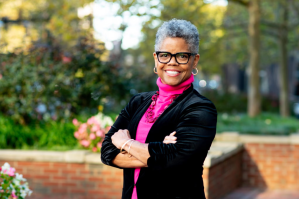
In 1988, a law school graduate began their career burdened by $80,000 in student loan debt, a sum that significantly influenced their professional trajectory for the subsequent decade. The immediate aftermath of graduation saw the individual compelled to prioritize private sector employment over their aspiration to work in civil rights due to financial imperatives. It took years of consistent payments and deliberate financial management before the accumulated debt allowed for a transition into their desired field of public service. This personal experience from nearly forty years ago serves as a stark contrast to the current student debt landscape, which the author contends has become considerably more challenging, exacerbated by federal policy decisions.
The current student loan crisis is characterized by a record number of borrowers in default. As of the report, one in five student loan borrowers, totaling 9.5 million individuals, are in default, meaning they are at least nine months behind on their payments. This figure represents a substantial increase from 5.3 million borrowers in default just one year prior. Concurrently, the Trump administration has taken actions that negatively impact borrowers' ability to manage their debt and pursue public service careers. Specifically, the administration eliminated the SAVE (Saving on a Valuable Education) repayment plan and has continued to advocate for significant alterations to the Public Service Loan Forgiveness (PSLF) program. These policy shifts are presented as jeopardizing the nation's capacity to cultivate and maintain a robust public service workforce essential for community well-being.
The Public Service Loan Forgiveness program is identified as a critical federal mechanism for attracting and retaining individuals in public service roles. By making careers in vital sectors such as teaching, nursing, public safety, and public interest law financially feasible, PSLF aims to enable individuals dedicated to community service to pursue their callings without being unduly hindered by the escalating costs of higher education. The author, observing the repercussions within the legal field, notes that families facing eviction, individuals navigating immigration processes, and survivors seeking protection often lack access to necessary legal representation because they cannot afford it. This inability to secure legal aid contributes to a significant justice gap, leaving millions without adequate legal assistance.
According to the Legal Services Corporation's most recent Justice Gap Report, a staggering 92% of civil legal problems encountered by low-income Americans receive insufficient or no legal help. This statistic underscores the profound societal impact of the student debt crisis and the erosion of programs like PSLF, which are designed to support public service professionals. The report further indicates that in 27 states, the situation is particularly dire, suggesting a widespread and systemic issue affecting access to justice and the viability of public service careers across the nation. The author's personal narrative and the statistical evidence presented highlight the long-term financial and societal consequences of student debt, particularly for those aspiring to serve the public good.
Original source — read the full reporting at the publisher:
Read on FortuneGet the weekly AI digest
AI news + new model releases, weekly. Drafted by our agents, reviewed by humans.