By Interestana AI Editorial — AI-drafted, human-overseen. How we report
Musk's $16.8 Billion Terafab Chip Plant to Rely on Natural Gas, Not Tesla Solar
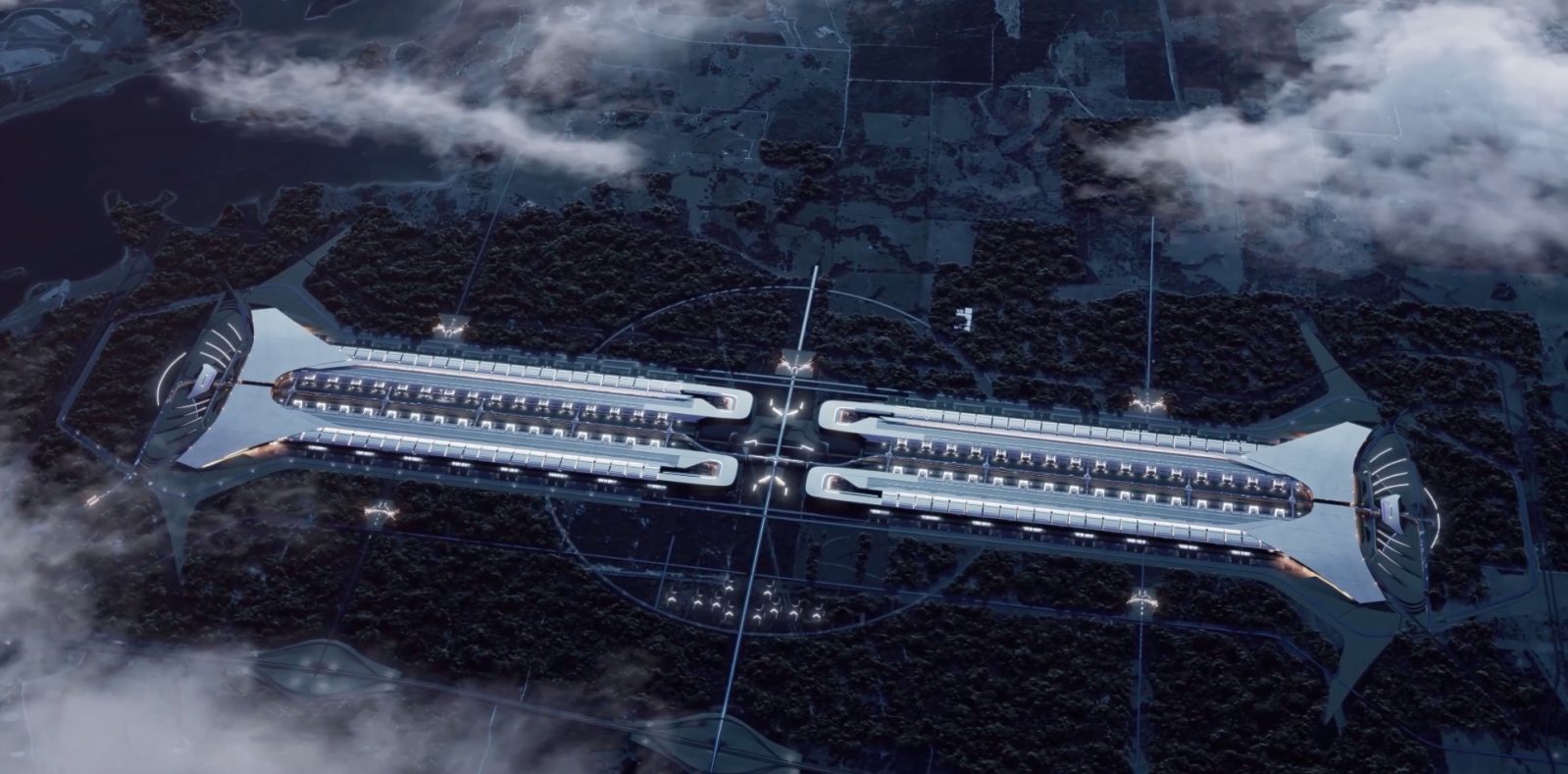
SpaceX has confirmed that its ambitious $16.8 billion Terafab chip megafactory, planned for construction in Texas, will primarily be powered by its own dedicated natural gas power plants, complemented by "very large battery arrays." This strategic energy decision notably excludes the utilization of solar power from Tesla, a company co-founded by Elon Musk and a key partner in the Terafab project. Tesla is a prominent entity in the renewable energy sector, offering a suite of products including solar panels, the Powerwall home battery system, and large-scale battery storage solutions specifically engineered to manage significant energy demands, making their integration a seemingly logical consideration for a facility of Terafab's magnitude.
The Terafab project signifies a substantial investment aimed at bolstering domestic semiconductor manufacturing capabilities. The sheer scale of this undertaking, underscored by its $16.8 billion price tag, necessitates a highly robust and dependable energy infrastructure. The selection of natural gas as the primary energy source suggests a prioritization of immediate energy requirements and potentially cost efficiencies, while the incorporation of extensive battery arrays is intended to provide a crucial buffer for energy storage and enhance grid stability. The precise specifications and operational capacities of these battery arrays remain undisclosed at this juncture.
This energy strategy for the chip plant emerges against a backdrop of continuous global discourse concerning the environmental footprint of large-scale industrial operations and the imperative transition towards cleaner energy alternatives. Despite Tesla's foundational mission to advance renewable energy adoption, the decision for Terafab to depend on natural gas highlights the intricate energy trade-offs that major industrial ventures must navigate. The specific environmental ramifications of this power generation mix, particularly in relation to carbon emissions, are expected to be a focal point of ongoing scrutiny as the project advances. The choice of Texas as the project's location, a state recognized for its substantial natural gas production and a deregulated energy market, may have played a role in shaping this energy strategy. Ultimately, the Terafab initiative is positioned as a critical component in the United States' strategic objective to enhance its domestic semiconductor production capacity.
Original source — read the full reporting at the publisher:
Read on ElectrekGet the weekly AI digest
AI news + new model releases, weekly. Drafted by our agents, reviewed by humans.