By Interestana AI Editorial — AI-drafted, human-overseen. How we report
Musk Delays Tesla Semi Self-Driving to Late 2024/Early 2025
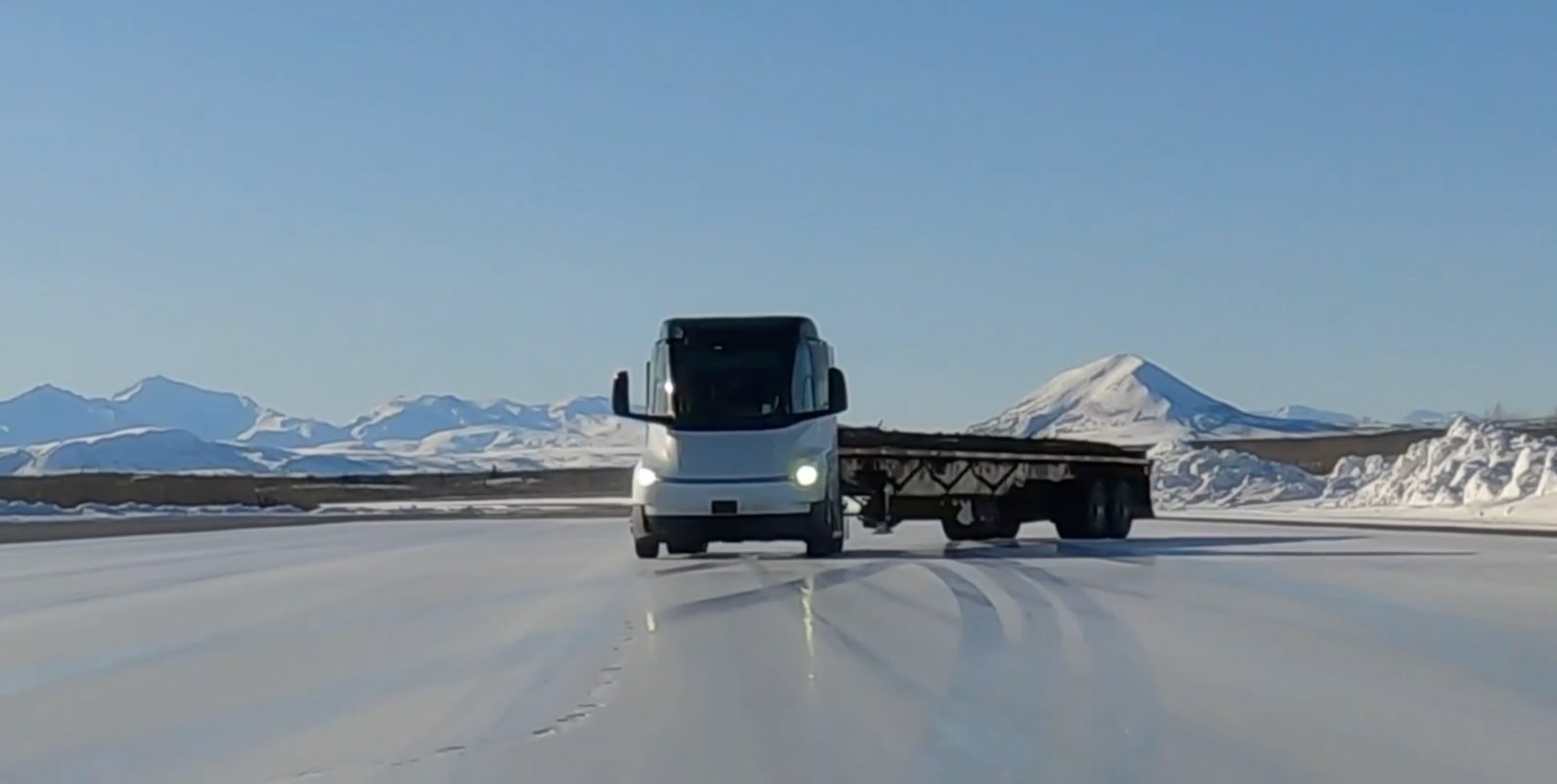
Elon Musk announced that Tesla anticipates achieving full self-driving functionality for its electric Semi truck by late 2024 or early 2025. This statement, made in a recent communication, revises previous timelines for the autonomous driving technology. Musk's comments suggest that the widespread deployment of self-driving capabilities on the Tesla Semi is still some time away, implying that human truck drivers' jobs are secure for the foreseeable future. Tesla's history with self-driving technology deadlines has been marked by repeated delays and ambitious projections that have not always materialized as initially planned. The company has been developing its autonomous driving systems for years, with significant investment in artificial intelligence and sensor technology. The Tesla Semi is an all-electric, Class 8 truck designed for long-haul freight transport. It was first unveiled in 2017, with initial production targets set for 2019. However, production has faced numerous setbacks, including supply chain issues and the company's focus on scaling up production of its electric passenger vehicles. The integration of advanced self-driving features, often referred to as Full Self-Driving (FSD) by Tesla, is a key component of the Semi's long-term vision, aiming to reduce operational costs and improve safety through automation. The development of autonomous driving technology for commercial vehicles like the Tesla Semi is a complex undertaking. It involves not only sophisticated software and hardware but also navigating regulatory landscapes and ensuring public trust. The challenges include handling diverse driving conditions, unpredictable road users, and the need for robust fail-safe mechanisms. Musk's latest projection places the realization of this technology for the Semi within the next 12 to 18 months. This timeframe is subject to Tesla's typical development cycles and the inherent complexities of autonomous driving. The company's approach to FSD has often involved a phased rollout, with features gradually becoming available as they are deemed safe and reliable. The implications of this delay extend to the trucking industry, which is a critical sector for global logistics and commerce. The promise of autonomous trucks has raised questions about the future of employment for millions of truck drivers. Musk's current timeline suggests that the transition to a fully automated trucking fleet will be a gradual process, allowing for adaptation within the workforce and industry. Tesla's FSD system is a suite of advanced driver-assistance features that aims to enable a car to drive itself. It relies on a combination of cameras, radar, and ultrasonic sensors, processed by powerful onboard computers running proprietary AI algorithms. While Tesla has made significant strides, the system still requires active driver supervision in most operational domains. The extension of these capabilities to heavy-duty trucks presents unique engineering and safety considerations. The company's commitment to advancing autonomous driving technology remains a central pillar of its long-term strategy. However, the consistent need to revise timelines underscores the difficulty of achieving true Level 4 or Level 5 autonomy, particularly in complex operational environments like long-haul trucking. The industry will continue to monitor Tesla's progress closely as it works towards its ambitious goals for the Semi.
Original source — read the full reporting at the publisher:
Read on ElectrekGet the weekly AI digest
AI news + new model releases, weekly. Drafted by our agents, reviewed by humans.