By Interestana AI Editorial — AI-drafted, human-overseen. How we report
Musk Revives 200-MPH Austin-San Antonio Hyperloop Tunnel
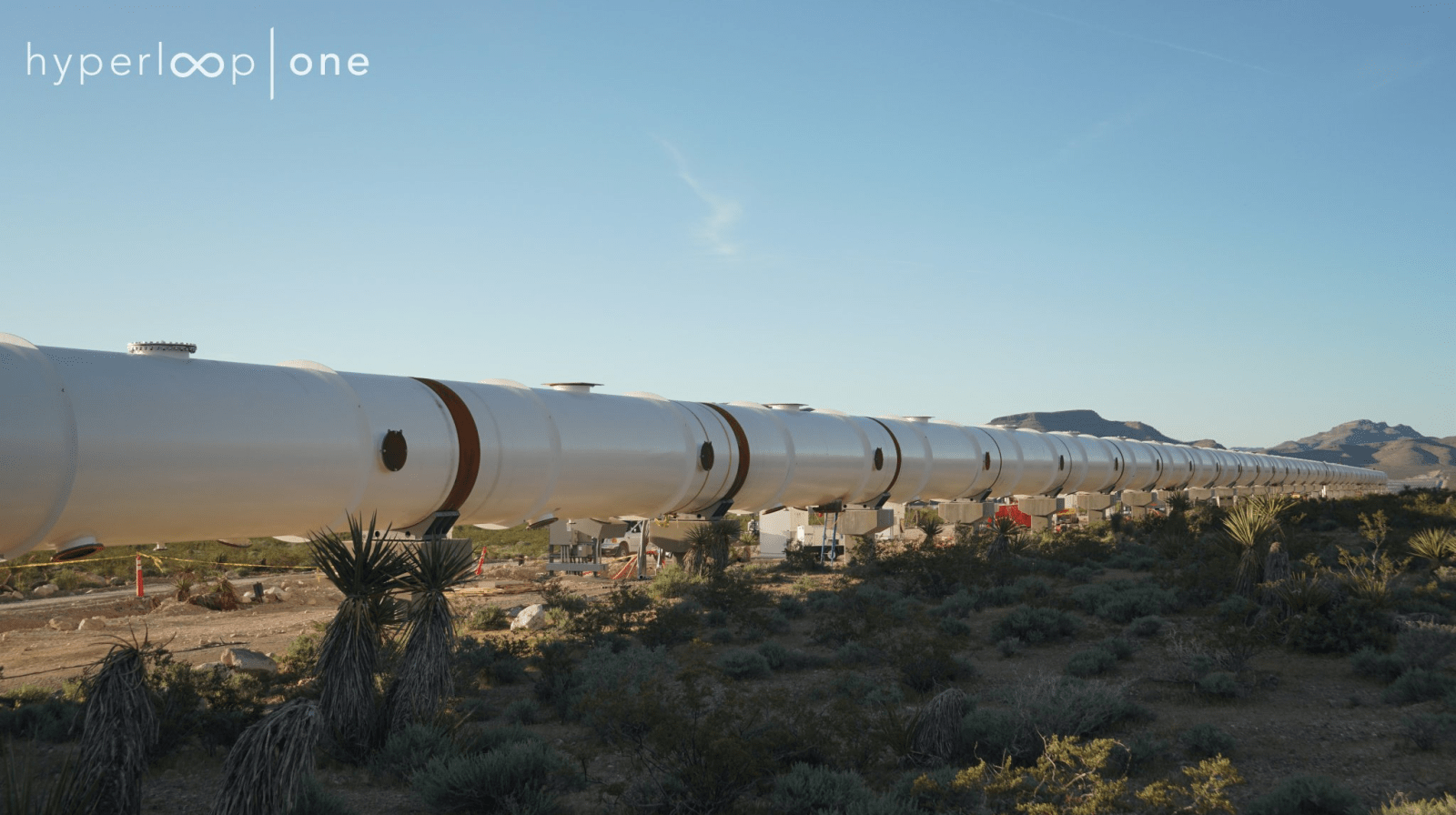
Elon Musk announced this past weekend via his social media platform X that The Boring Company is actively developing a "Hyperloop" tunnel system designed to connect Austin and San Antonio, Texas. Musk stated the proposed tunnel would facilitate travel at speeds of 200 miles per hour, significantly reducing the current driving time between the two major Texan cities to under 30 minutes. This announcement represents a reiteration of a concept Musk has been promoting for over a decade, with no specific route, construction timeline, or estimated cost provided in his recent statement. The Boring Company, founded by Musk in 2016, aims to develop and build underground tunnel networks to alleviate urban traffic congestion. Its initial focus was on the Las Vegas Convention Center Loop, a 1.7-mile system that began operation in 2021 and transports passengers in Tesla vehicles. However, larger-scale projects, such as the proposed Hyperloop system, have yet to materialize beyond the conceptual or early development stages. Hyperloop technology, a theoretical mode of high-speed transportation, involves a pod or capsule traveling at high speeds through a near-vacuum tube. The concept was popularized by Musk in a 2013 white paper, which outlined a system that could potentially achieve speeds exceeding 700 mph. Musk has since licensed the core concepts of his Hyperloop paper, allowing other companies to develop the technology. Several companies, including Virgin Hyperloop (formerly Hyperloop One) and Hyperloop Transportation Technologies, have been working on developing functional Hyperloop systems. Virgin Hyperloop conducted its first human passenger test in November 2020, reaching speeds of 107 mph over a 500-meter track. However, the company later pivoted away from passenger transport to focus on cargo. The Boring Company's approach has primarily involved constructing traditional tunnels for autonomous electric vehicles, rather than the vacuum-sealed tubes envisioned in the original Hyperloop concept. Musk's repeated proposals for a Texas Hyperloop have consistently lacked concrete details regarding funding, regulatory approvals, and engineering feasibility for such a large-scale infrastructure project. The distance between Austin and San Antonio is approximately 80 miles, and a 200-mph transit system would indeed offer a substantial time saving compared to the current average driving time of 1.5 hours. The feasibility and economic viability of such a project remain significant questions, particularly given the lack of completed large-scale Hyperloop projects globally and The Boring Company's own history of ambitious but often delayed or scaled-back infrastructure initiatives. Musk's vision for the Hyperloop has been a recurring theme in his public statements and company presentations, often presented as a transformative solution to transportation challenges.
Original source — read the full reporting at the publisher:
Read on ElectrekGet the weekly AI digest
AI news + new model releases, weekly. Drafted by our agents, reviewed by humans.